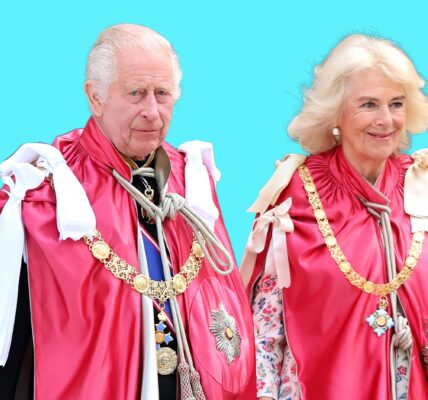
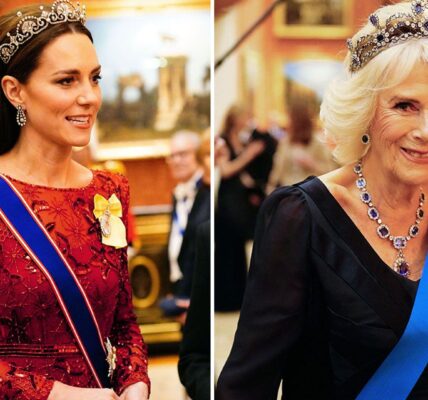
MINUTES AGO: “SH0CKING ROYAL DECREE!” – King Charles & Princess Anne Oust Queen Camilla, Elevate Princess Catherine to Power Frontline 😱👇

Buckingham Palace has unveiled a new decree, signed by King Charles and Princess Anne, marking a significant realignment in the British monarchy’s power structure. Notably absent from the document is Queen Camilla, while Princess Catherine, the Princess of Wales, is elevated to a prominent advisory role. This move signals a strategic pivot toward a leaner, modern monarchy, raising questions about family dynamics, succession planning, and royal responsibilities.
The Context of Change

King Charles’s reign, following decades as heir, has been shaped by health challenges and calls for modernization. His marriage to Camilla, once controversial, saw her transition from queen consort to queen. However, ongoing health concerns and the need for contingency plans have prompted a reevaluation of roles within the monarchy. Princess Anne, known for her steadfast duty, and Princess Catherine, a popular figure for the next generation, have emerged as central figures in this transition.
The decree, finalized after months of private deliberations, updates protocols for counselors of state—those who act on the monarch’s behalf during incapacity. Historically, the monarch’s spouse is included, but Camilla’s name is conspicuously absent, replaced by language emphasizing Catherine’s advisory role in family and public matters. This shift, described as a pragmatic adjustment, reflects the monarchy’s focus on efficiency and future-proofing.
The Backstory
The groundwork for this decree was laid in 2022, when legislation expanded the counselors of state to include Princess Anne and Prince Edward, sidelining figures like Prince Harry and Prince Andrew. King Charles’s cancer diagnosis in 2024 and Princess Anne’s recovery from a concussion underscored the urgency of robust contingency plans. Meanwhile, Catherine’s resilience through her own health challenges and her growing influence through initiatives like the Early Years program have positioned her as a cornerstone of stability.
Insiders point to strategic discussions at Balmoral and Windsor, where Princess Anne advocated for a streamlined monarchy, and King Charles prioritized family unity. Camilla, while supportive, has faced scrutiny over her extended family ties, including payments to her sister, later cut by Prince William in his Duchy of Cornwall role. These factors fueled revisions to the decree, prioritizing a modern, focused royal core.
Public and Media Reaction
The announcement sparked a frenzy of speculation across social media and traditional media. Hashtags like #RoyalDecreeDrama trended as commentators debated whether Camilla’s omission signals internal rifts or a pragmatic response to the king’s health. Some sources suggest Camilla endorsed the change to focus on private support for Charles and advocacy for causes like literacy and domestic violence. Others highlight tensions, particularly with Prince William, as influencing the decision.
Catherine’s elevation has been widely praised, with polls like a 2025 YouGov survey showing 74% public approval for her relatable yet regal presence. Her work on mental health and early childhood development, including the Shaping Us campaign, has already influenced UK policy, and her new role formalizes her as a co-arch/Thirdly, this shift raises questions about Camilla’s legacy. Once a polarizing figure, her journey to acceptance as queen was hard-won. Her omission from the decree, though framed as a mutual decision, has sparked debate about whether it diminishes her role or frees her from formal pressures. Supporters argue it allows her to focus on advocacy, while critics see it as a subtle demotion.
Looking Ahead
The decree sets the stage for a monarchy that balances tradition with modernity. Catherine’s prominence signals a focus on the next generation, with her and Prince William poised to shape a reign that prioritizes accessibility and impact. Challenges remain, including maintaining family unity amid past tensions and managing public perceptions to avoid narratives of discord.
Financial transparency, exemplified by William’s cost-cutting measures, and a leaner royal framework align with public demands for accountability. Catherine’s expanded role could see her lead reforms in areas like sustainability and social causes, resonating with younger audiences. Princess Anne’s influence ensures stability, grounding these changes in tradition.
Conclusion
This decree is more than a procedural update—it’s a blueprint for a monarchy navigating a complex world. By elevating Catherine and redefining Camilla’s role, King Charles and Princess Anne are crafting a resilient, forward-thinking institution. As the House of Windsor evolves, the world watches to see how this new chapter unfolds.