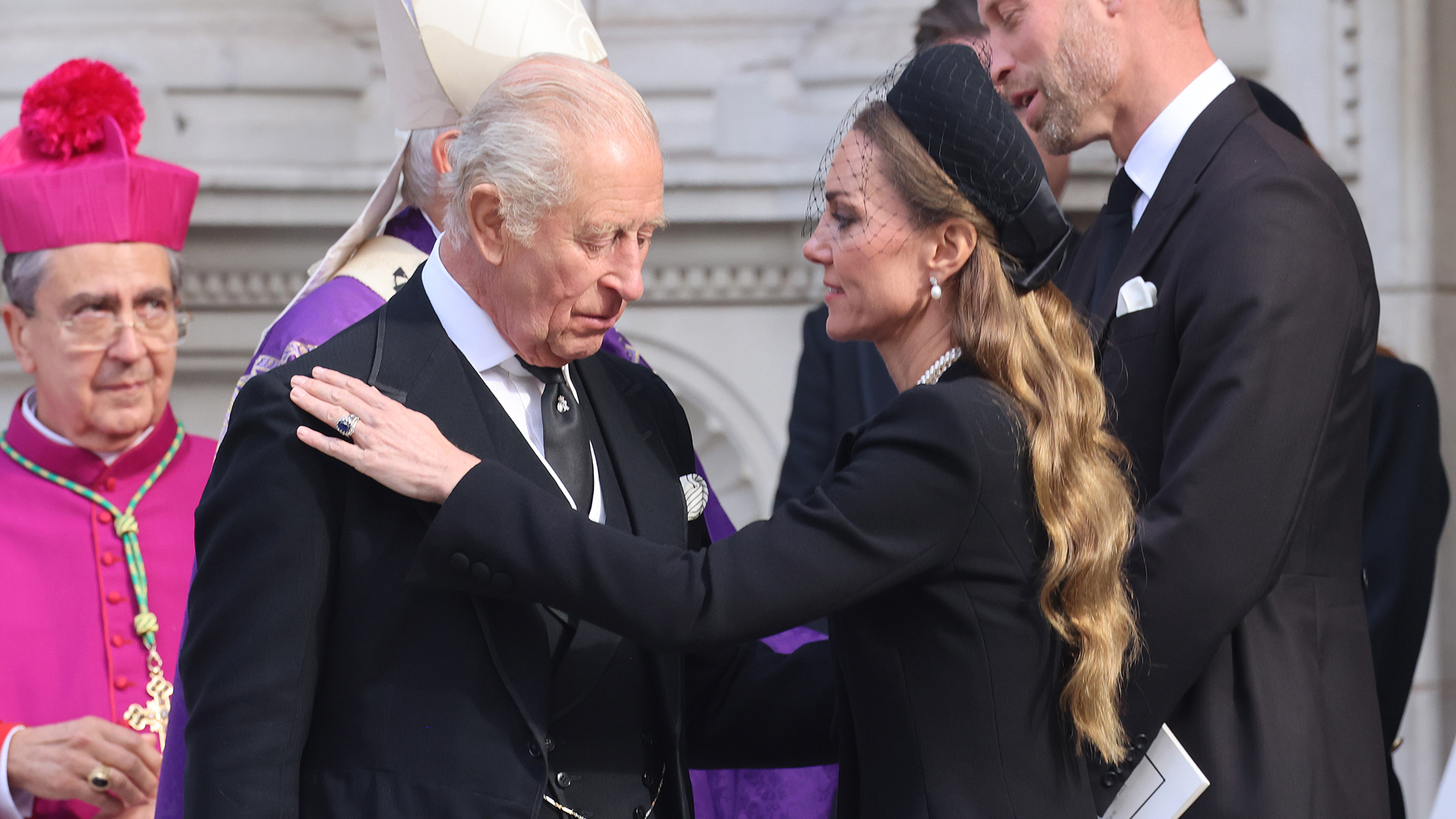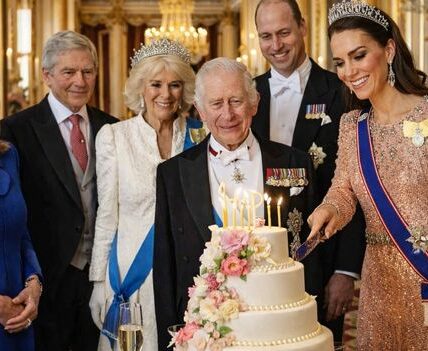
ROYALS SHOCKED — IF THE RUMOUR IS TRUE! Social media is on fire after a viral claim suggested that, behind closed doors at Windsor, King Charles may have stunned the Firm by presenting Princess Catherine with Queen Elizabeth II’s sapphire-diamond brooch — a jewel historically reserved for reigning queens only. If accurate, historians are already calling it “the boldest break in protocol since the 1980s,” and the alleged eyewitness whispers don’t stop there… According to these unverified court rumours, Camilla was said to be livid, and Prince William “overcome” watching his wife treated like someone destined for more than just the title of Consort. But what is rattling the palace most is not the brooch — it’s the report that King Charles allegedly spoke six unheard-before words before pinning it to Catherine’s dress… and those six words are what royal insiders say froze Windsor in silence. What were those six words — and why is the Palace desperately hoping they never leak?

Royal Protocol and Power Symbols: What Makes a Brooch Matter
When royal jewelry appears in public, it is not merely decorative. Certain pieces of the British Crown’s collection carry implied constitutional meaning: some are worn only by a reigning monarch, others are reserved for consorts, still others are loaned at the sovereign’s discretion to communicate rank, trust, or favor.
Among the most signal pieces are the major sapphire-and-diamond brooches historically associated with Queen Elizabeth II, many of which were worn exclusively by her in her capacity as sovereign. These heirlooms form part of the Crown’s semiotic “language”—they show who holds power now, and who is being prepared to hold power later.
Loaning vs. Bequeathing: The Critical Distinction
Royal jewelry is typically loaned, not transferred. Even when a piece is publicly worn by a royal spouse or heir, it usually remains legally the monarch’s to retract. The choices of when, to whom, and for what occasion such pieces are loaned are widely understood by historians as messages about status and intention.
Thus, the idea of a reigning monarch giving a piece traditionally associated with the sovereign to a non-reigning member would indeed—if it happened—be recognized by court historians as a deliberate break with precedent, signaling elevation in symbolic standing.
Historic Breaks With Precedent Do Exist
Although specific recent claims are unverified, there have been past, documented ruptures in jewelry-protocol norms:
-
1981–1986: Diana, Princess of Wales, was loaned pieces previously worn only by queens consort, which was read as elevation of status—and later partially reversed after separation.
-
2002–2010: Queen Elizabeth II began loaning more state-significant jewels to Camilla, Duchess of Cornwall, before Camilla formally became Queen Consort, signaling institutional acceptance.
The interpretive logic among royal watchers is the same in every era:
the piece chosen is the message.
Why Such a Gesture Would Be Politically Charged
If—hypothetically—a reigning monarch gave or even ceremonially loaned a sovereign-coded jewel to the Princess of Wales, the reasons historians would consider it “bold” include:
-
It would collapse a traditional symbolic barrier between monarch and heir-by-marriage.
-
It would assign pre-consort stature pre-emptively, implying expectation of future queenship beyond mere marriage into the line.
-
It would implicitly prioritize one future queen consort over another recent one—the sitting Queen Consort—reordering internal status hierarchies.
That is why gestures involving heirloom royal jewels are not treated as fashion stories but as constitutional-adjacent signals.
On the Reported “Six Words”
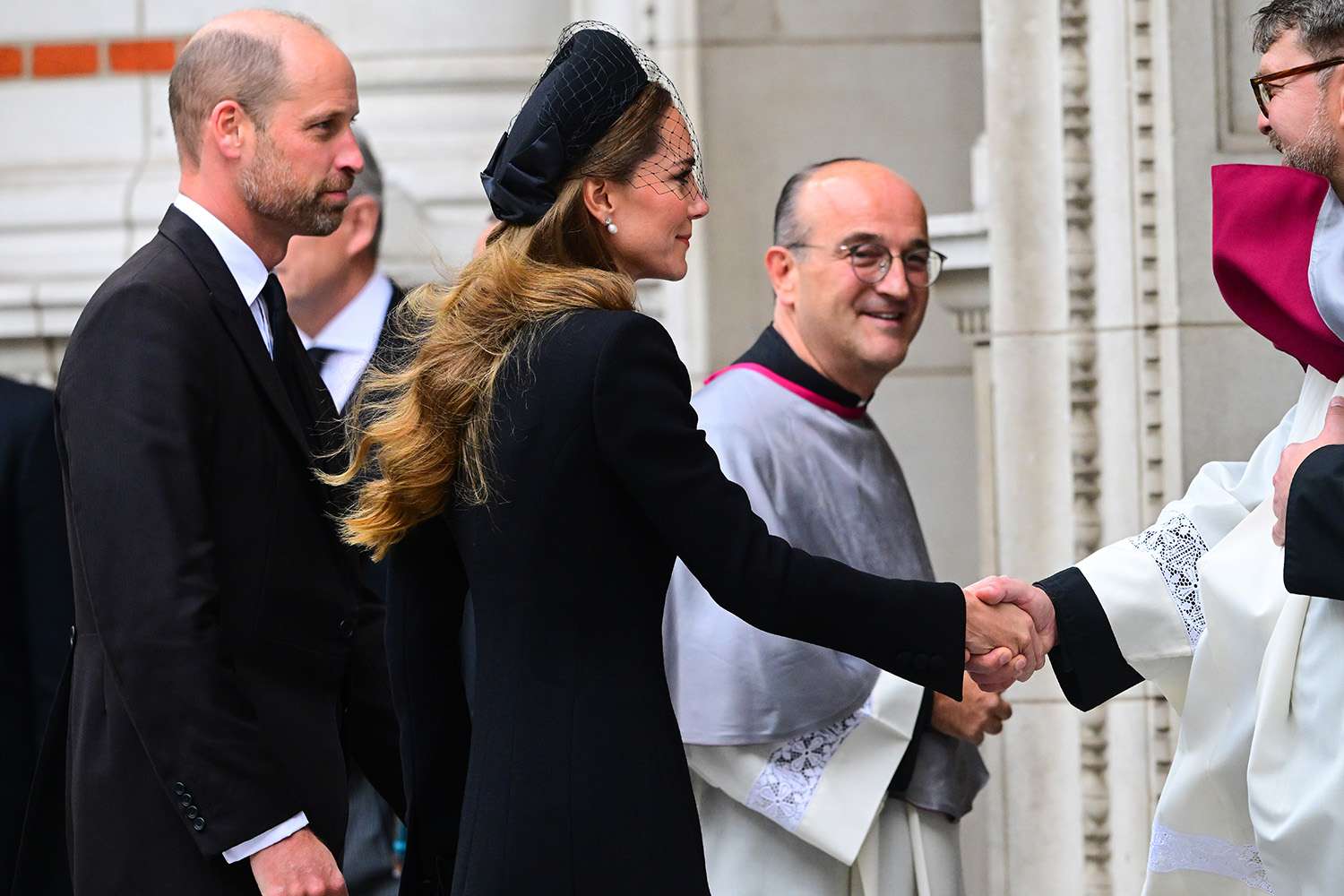
No reliable record exists of any such private phrase being spoken, nor of any authenticated transcript or leak from an event of this nature. Without primary sources, such quotes cannot be treated as fact. The broader historical point stands, however: spoken words in ceremonial settings are far less consequential than the act itself—the jewelry is the speech.
Royal jewelry protocol is not etiquette—it is signaling. Documented history shows that when sovereign-coded pieces cross traditional boundaries, the act is read as institutional messaging about hierarchy, succession, and legitimacy.
The specific episode described in your prompt is not verified, but the reason it is narratively explosive is clear: if a reigning monarch breaks centuries of symbolic protocol in gemstones, he is not accessorizing — he is legislating by other means.