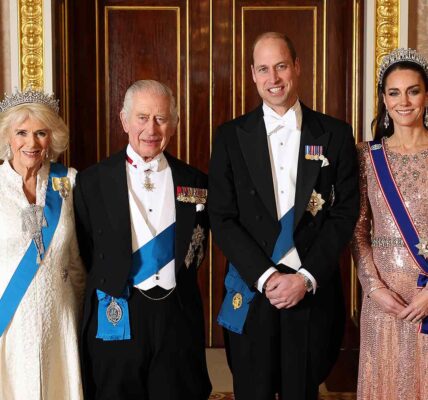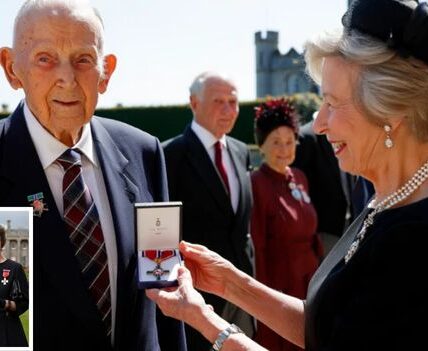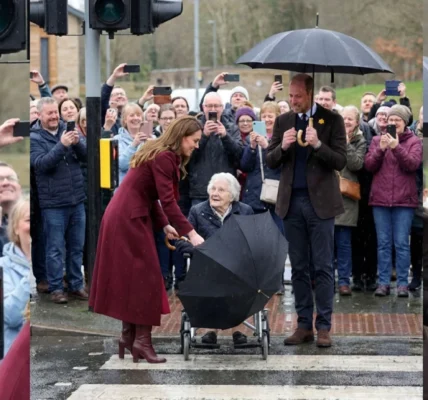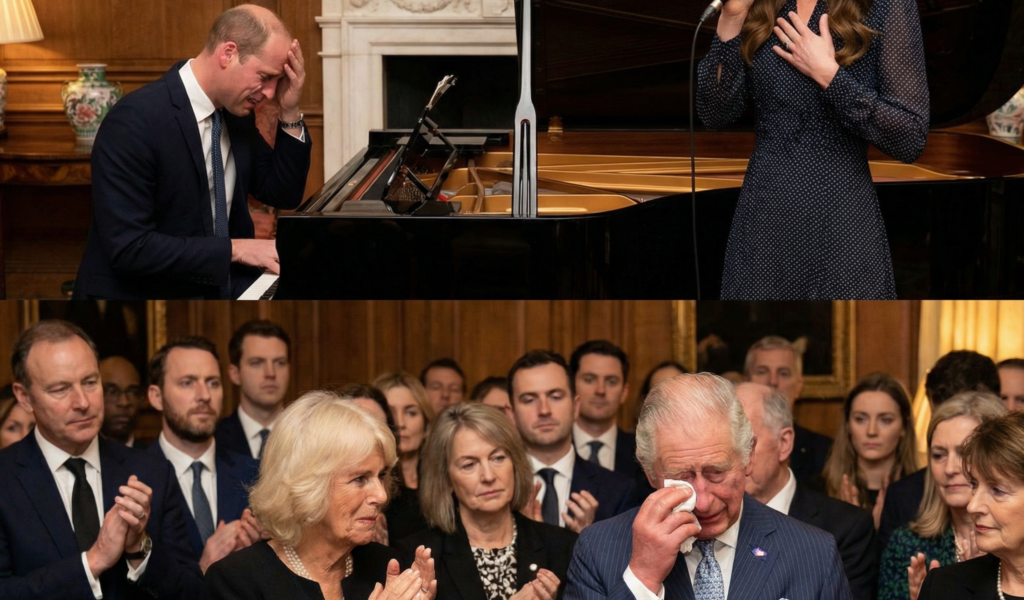
Prince William reportedly bowed his head, deeply moved. Catherine placed her hand to her chest, clearly deeply affected. In that moment, the monarchy ceased to be an institution – it became a family.

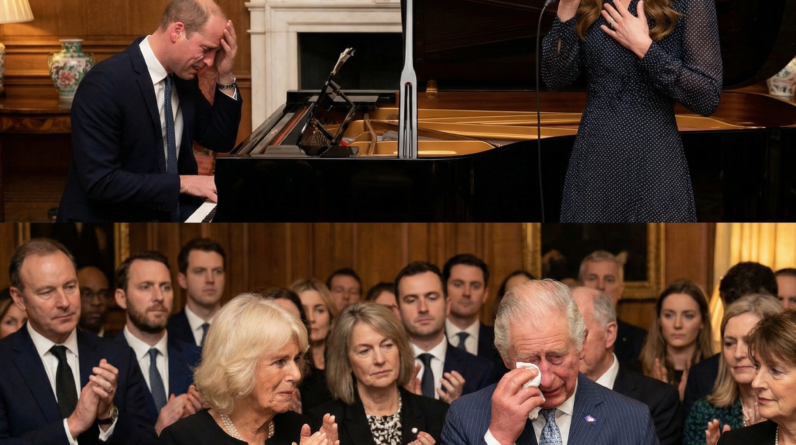
Prince William reportedly bowed his head during a deeply emotional ceremony at Westminster Abbey, marking a moment in royal history that transcended mere formality. This intimate expression of love and vulnerability showcased how families can unite, even amid the grandest of occasions. As the music faded, the impact of the moment resonated profoundly within the hearts of those in attendance and beyond.
Prince William reportedly bowed his head
At Westminster Abbey, a venue steeped in royal history and solemnity, events typically follow a meticulously scripted course. Yet, during this particular ceremony, the atmosphere became charged with emotion as it transformed unexpectedly. When Prince William and Princess Kate stepped forward, ready to offer their heartfelt rendition, listeners were captivated not just by the melody, but by the profound sincerity that filled the air.
As the music played, a powerful silence enveloped the Abbey, cherished for its historical significance and profound expectations. Those familiar with royal events anticipated formality, perhaps some formality. But what followed was the kind of power that many would call divine. As Prince William reportedly bowed his head, there was a collective recognition of something greater than a royal duty—something rooted in love, familial bonds, and shared vulnerability. It reminded everyone present that, at the end of the day, these individuals are not just representatives of an institution, but members of a family feeling deeply, loving fiercely, and living authentically.
The emotional weight of the moment lay not merely in the act of singing, but in understanding the courage it took for William and Kate to present themselves not as heirs to a throne, but as grandchildren striving to honor their late grandmother’s legacy. The royal family’s long-held facade of stoicism, often rewarded with public admiration, fell away in a single moment, offering instead a glimpse of genuine emotion. The performer’s vulnerability struck a chord with those in attendance, including King Charles himself.
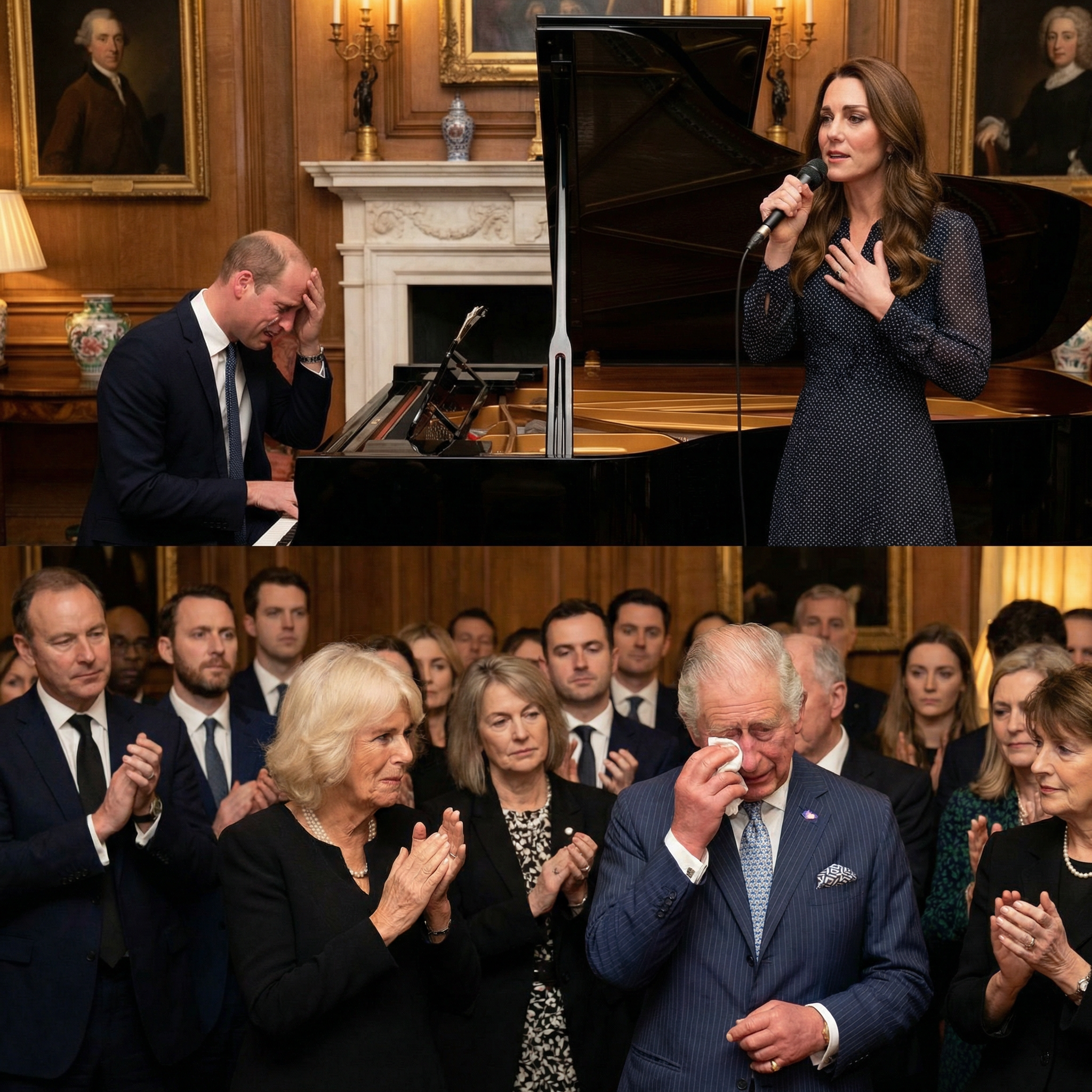
The duality of Royal Expectations
The British royal family often grapples with the duality of public expectations—projecting strength and decorum while carrying the emotional realities of personal loss and familial relationships. In this moment, Prince William reportedly bowed his head for an audience beyond that of the public: he sang for his family, capturing the essence of what it meant to mourn and celebrate loved ones simultaneously.
The spellbound audience could observe the fragility behind the royal veneer. While expectations dictate a more stoic presentation of emotions, this act of shared mourning brought forth a real representation of familial love. The public was reminded that royals are human beings conditioned by profound experiences. They endure the same human emotions of sorrow, joy, love, and fear as anyone else. The mere act of bowing his head served as a subtle nod to all that lay beneath the surface.
In a world often enamored with the allure of royalty’s glamor and privilege, such moments ground the public’s perception of what it means to be part of a family. The nuances of grief and the authenticity of love overshadow the trappings of titles and responsibilities.
A Witness to Vulnerability
As he bowed his head, Prince William revealed a depth of vulnerability that was palpable. It was a moment shared with those gathered at Westminster Abbey, where the grand architecture served as both a backdrop and a safe haven for emotions to spill over.
His demeanor served as a sincere invitation for others to embrace their own emotions. In a world often consumed by an idealistic portrayal of what it means to be royal, William’s act of quiet humility drew attention to the importance of emotional honesty. Candid expressions of sorrow and love serve as the foundation of stronger familial connections, even in the most scrutinized of families.
The accompanying silence that followed his bowed head encapsulated years of heritage, pain, and triumph woven into one moment of pure connection. It’s significant to note that while tradition is a core component of royal life, moments that break away from the norm can remind the public of the fundamental value of openness and vulnerability.
Deeply moved. Catherine placed her hand to her chest
As the notes hung in the cool air of Westminster Abbey, something remarkable happened collectively between William, Kate, and those fortunate enough to witness this moment. As if the atmosphere itself had transformed, it felt like a tangible wave of shared sentiment moved across the hearts of all present. Deeply moved, Catherine placed her hand to her chest, an instinctive gesture reflecting her emotional state.
Placating her chest, she became a living emblem of empathy—a powerful reminder that love binds families together. It is not just the music or the moment that weighs heavily on the soul but the profound understanding that loss and love are intertwined and often inseparable.
The Power of Authentic Gesture
Catherine’s authentic expression unveiled a raw honesty that is sometimes lost in royal ceremonies. Her hand instinctively finding its way to her chest illustrated the depth of emotion surging within her. It wasn’t just a gesture of tenderness but a unifying force that connected the past with the present.
Such moments illuminate the differences between ceremonial symbolism and genuine feeling. The gesture went beyond the harmony of the performance, establishing a palpable connection with those present and reflecting a universal language rooted deeply in affection and familial ties. Through her performance and expression, Catherine effectively reminded everyone present that there is beauty in vulnerability—an empowering truth often overshadowed in a world that values appearances over authenticity.
Emotional gestures like these cultivate deeper understanding. The beauty of royal family moments lies not just in their grandeur but in their ability to humanize and bring forth a collective sense of resilience. As her hand rested on her chest, the audience bore witness to an emotional truth that was both private and shared—an embodiment of courage and vulnerability.
An Exemplification of Family Values
What unfolded before an audience wasn’t just an event steeped in tradition, but rather a profound example of enduring family values. Catherine’s emotional connection to the moment resonated beyond her personal experience; it expanded to encompass the family unit as a whole. In that moment, viewers could see that royal duties extend beyond the public eye, rooted in common familial love.
Catherine’s display also highlights the evolution of public perception regarding the royal family. In a society increasingly valuing authenticity, her ability to express her affection represents a necessary shift towards being more relatable and human. The gesture reinstates a clear understanding that emotional intelligence and sincerity may hold greater value than titles and lineage.
By placing her hand to her chest and acknowledging the emotional gravity of the moment, Catherine demonstrated the essential truth that real familial relationships are rooted in acknowledging feelings and experiences. It was a gesture that resonated across the ages—a testament to the enduring significance of love, grounded in shared humanity.
Clearly deeply affected. In that moment
Each participant in the mission to honor family legacy appeared clearly deeply affected by the experience unfolding before them. Those gathered felt a palpable energy in the Abbey that offered a brief respite from the white noise of scrutiny typically faced by public figures.
In the wake of tragedy, the power of music and the strength of familial love melded seamlessly to create a shared experience—a gift-oriented moment that stood apart from typical state affairs. The atmosphere was charged with remembrance, transforming an often-formal institution into a sanctuary of vulnerability, hope, and reconnection.
A Space for Healing
As the final notes faded away, the air remained heavy with sentiment. Those present, temporarily released from the scrutiny often cast upon royal engagements, were wrapped in an atmosphere of healing. This unique melding of emotions saw individuals connected to the shared experience of loss, intertwined with the cherished moments of hope that accompany remembrance.
The significance of understanding the dynamics of healing cannot be overstated. Royal duties may revolve around tradition, but healing in the community and family often springs forth from acknowledging shared pain, weaving a narrative that nurtures resilience. In doing so, this moment allowed members of the public and the family to embrace their grief collectively.
Healing can take many forms, but shared moments of compassion often serve as the strongest foundation. The Abbey acted as a silent witness to the outpouring of emotional honesty, forging connections that surpass the construct of royal structures. Here lay a defining moment for both the royal family and the community, beckoning passion, sorrow, and love to coexist harmoniously.
Pervasive Reflection on Legacy
As the Abbey fell into silence after the performance, there was space for communal reflection. The indelible mark left by emotionally laced gestures encapsulated a myriad of generational experience and understanding. Clearly deeply affected, perhaps individuals desired something more than mere nostalgia—there was a longing for shared experiences that transcend individual loss.
In those fleeting moments, Prince William and Princess Kate effectively became the embodiment of legacy, reiterating that the past continues to inform and influence the present. Musical notes turned into proclamations that breathed life into memories, allowing participants to bask in love’s warmth when faced with inevitable heartache.
The essence of legacy often lies in shedding light on the bonds that survive the passage of time. The collective grief transformed the atmosphere into a tribute to the past, demonstrating that while individuals may grapple with their feelings of loss privately, they also offer avenues of connection to navigate through shared experiences.
The monarchy ceased to be an institution – it became a family.
Tension between formality and emotional expression occupied countless royal engagements, yet the poignant event that unfolded illuminated the notion that the monarchy ceased to be an institution – it became a family.
Witnessing the seemingly effortless blending of familial love and royal duty unveiled a deeper layer of understanding about humanity entrenched within the halls of the Abbey. A place often associated with grandeur became a vessel of connection, uniting individuals in a moment of gathering.
Transforming Royal Expectations
The transformation observed during this moment became a beacon of hope—the royal family could shed the constraints of duty and allow themselves to be vulnerable. An evolution beyond tradition into shared human experience marked a seismic shift in the perception of monarchy and its continued relevance in a rapidly changing society.
Understanding how individuals relate to each other beyond their titles can invigorate the establishment. Moving away from antiquated expectations, the ability to embrace their genuine emotions allows royals to connect with the public on a deeper level. The ceremony became a manifestation of family values, illustrating that true connection lies within shared experiences marked by compassion and vulnerability.
In that decisive moment, the royal family stepped into a space that resonated with authenticity. The joy and sorrow that enveloped the Abbey offered a collective narrative that the monarchy, for all its grandeur, is at its heart still a family connected through love, loss, and shared memories.
The Essence of Love and Connection
At the crux of this moment lies the truth that genuine love transcends rules and protocols, embodying the human experiences we all share. Here, royal traditions serve not merely as symbols of authority but become avenues for connection rooted in honesty and sincerity.
Acknowledging one another as family rather than figures cloaked in titles allowed a new dynamic to shape the relationship between the public and the royal family. The notion that vulnerability can coexist with strength offers a refreshing lens through which to view a family often judged by the weight of their lineage.
As the echoes of emotions lingered in the air, the Abbey remembered not just a solemn ceremony but an act of love that reverberated, creating a tapestry of shared experiences essentially human. In moments crafted from sincerity and vulnerability, the monarchy could connect more deeply than it has in centuries. Love enveloped those present, crafting an experience that could unfold throughout generations to come.
Conclusion
In this extraordinary moment at Westminster Abbey, the events by Prince William and Princess Kate brought forth a deep emotional resonance that transformed a royal ceremony into a reminder of the familial bonds that unite us all. As the moment culminated in Prince William reportedly bowing his head, and with Catherine placing her hand to her chest, it was clear that the turbulence of life connects through love and shared pain. Through the lens of vulnerability, the monarchy ceased to be an institution—it became a family united by genuine emotion. This profound moment showcased the transformative power of love, allowing audiences both near and far to embrace the true meaning of connection that transcends duty and protocol.