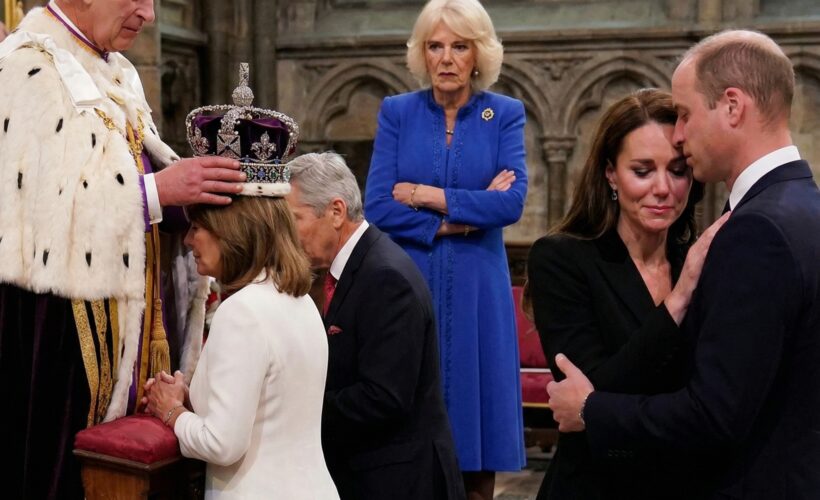
An incredibly awkward moment when Carole and Michael Middleton knelt to receive an unexpected badge from King Charles III.

LONDON, UK – The staid traditions of the British monarchy were momentarily, and some might say awkwardly, stirred recently when King Charles III bestowed a significant honour upon Carole and Michael Middleton, parents of Catherine, Princess of Wales. What might typically have been a quiet recognition of distinguished service quickly escalated into a talking point across social media and royal circles, fuelled by whispers of Queen Camilla’s palpable discomfort and a perceived “favouritism” towards the Princess of Wales’s family. This unfolding drama has left many wondering: What truly lies beneath the surface of royal smiles and gilded ceremonies?
🗓️ The Moment That Sparked a Thousand Conversations
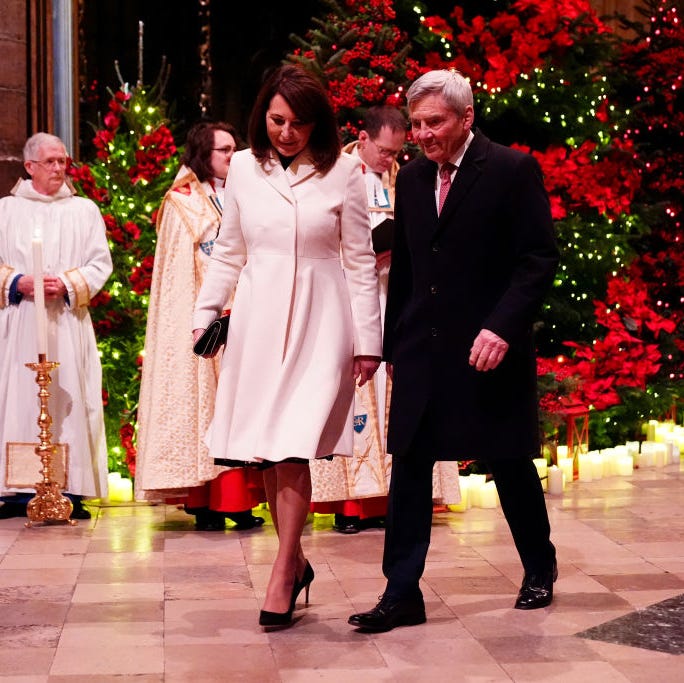
The scene unfolded during a seemingly innocuous private audience at Buckingham Palace, an event designed to commend various individuals for their contributions to public life and the Crown. However, it was the unexpected conferment of the Royal Victorian Order upon Carole and Michael Middleton that sent ripples of surprise through the close-knit royal establishment and, subsequently, the public.
Eyewitnesses and palace insiders, speaking anonymously, described a moment of profound, almost unrehearsed, emotion. As King Charles extended the insignia to the Middletons, both Carole and Michael, seemingly overcome with gratitude and perhaps a touch of shock, spontaneously knelt before His Majesty. While kneeling is a traditional gesture of respect during certain investitures, particularly knighthoods or damehoods, it is less common for the presentation of an Order of this nature, especially in a less formal setting. “It was a truly unexpected gesture, from both sides,” remarked one observer. “The King seemed genuinely moved, but there was also an undeniable ripple of… tension in the air.”
The Royal Victorian Order is a prestigious honour, granted solely at the monarch’s discretion to individuals who have personally served the Sovereign. Its conferment upon Catherine’s parents, while not entirely unprecedented given their proximity to the royal family through their daughter and grandchildren, was nevertheless seen as a remarkably public and personal endorsement by King Charles. It signals a deep appreciation for their support of the Princess of Wales and, by extension, the institution itself, particularly during challenging times.
📱 Social Media Erupts: Camilla’s Perceived Displeasure
As news of the investiture, accompanied by discreetly circulated images, began to filter out, the digital world went into overdrive. Royal commentators, citizen journalists, and everyday observers on platforms like X (formerly Twitter) and Instagram quickly dissected every detail. But it wasn’t just the kneeling or the honour itself that captured attention; it was the body language of Queen Camilla.
Multiple social media threads and online articles quickly honed in on fleeting glimpses and reports suggesting Queen Camilla appeared less than pleased during certain interactions surrounding the event. Phrases like “strained smile,” “pained expression,” and “an almost imperceptible tensing of the jaw” began to dominate discussions. “She looked like she was trying to swallow a lemon,” one viral tweet quipped, encapsulating the public’s perception of her discomfort.
This swift public reaction wasn’t just about a single moment; it tapped into a broader narrative that has been quietly simmering: the notion that Queen Camilla consistently shows signs of irritation when King Charles demonstrates particular favouritism towards Princess Catherine’s family. This perceived friction adds another layer of complexity to an already intricate royal tapestry, prompting widespread speculation about the true nature of their inter-family dynamics.
💖 The “Kate’s Family” Factor: A Source of Royal Unease?
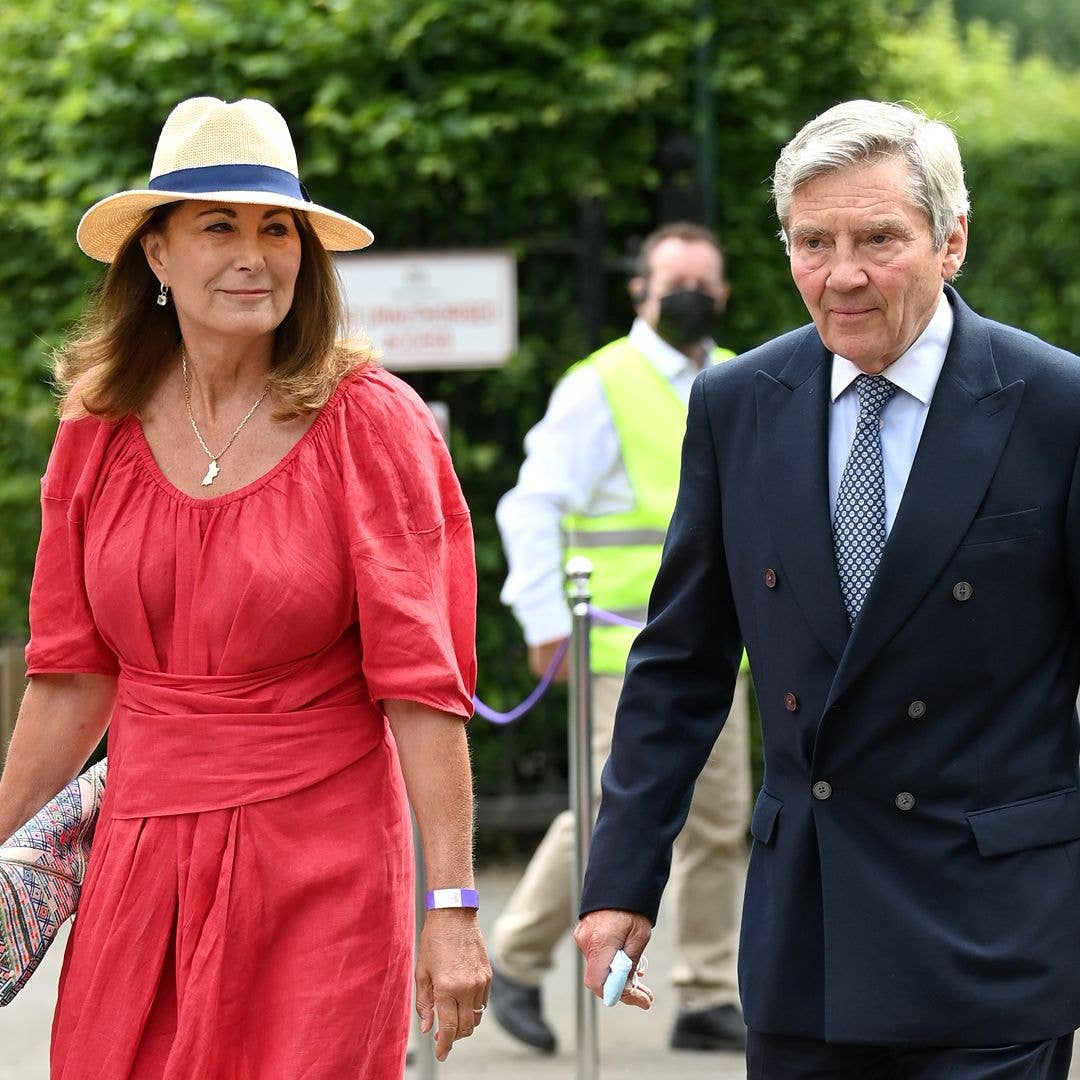
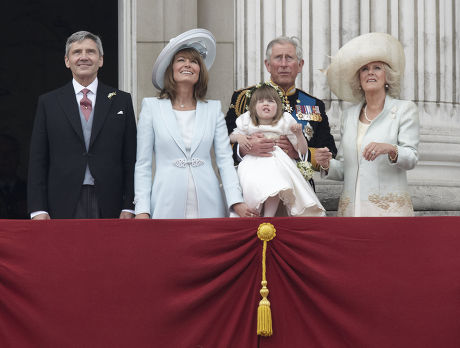
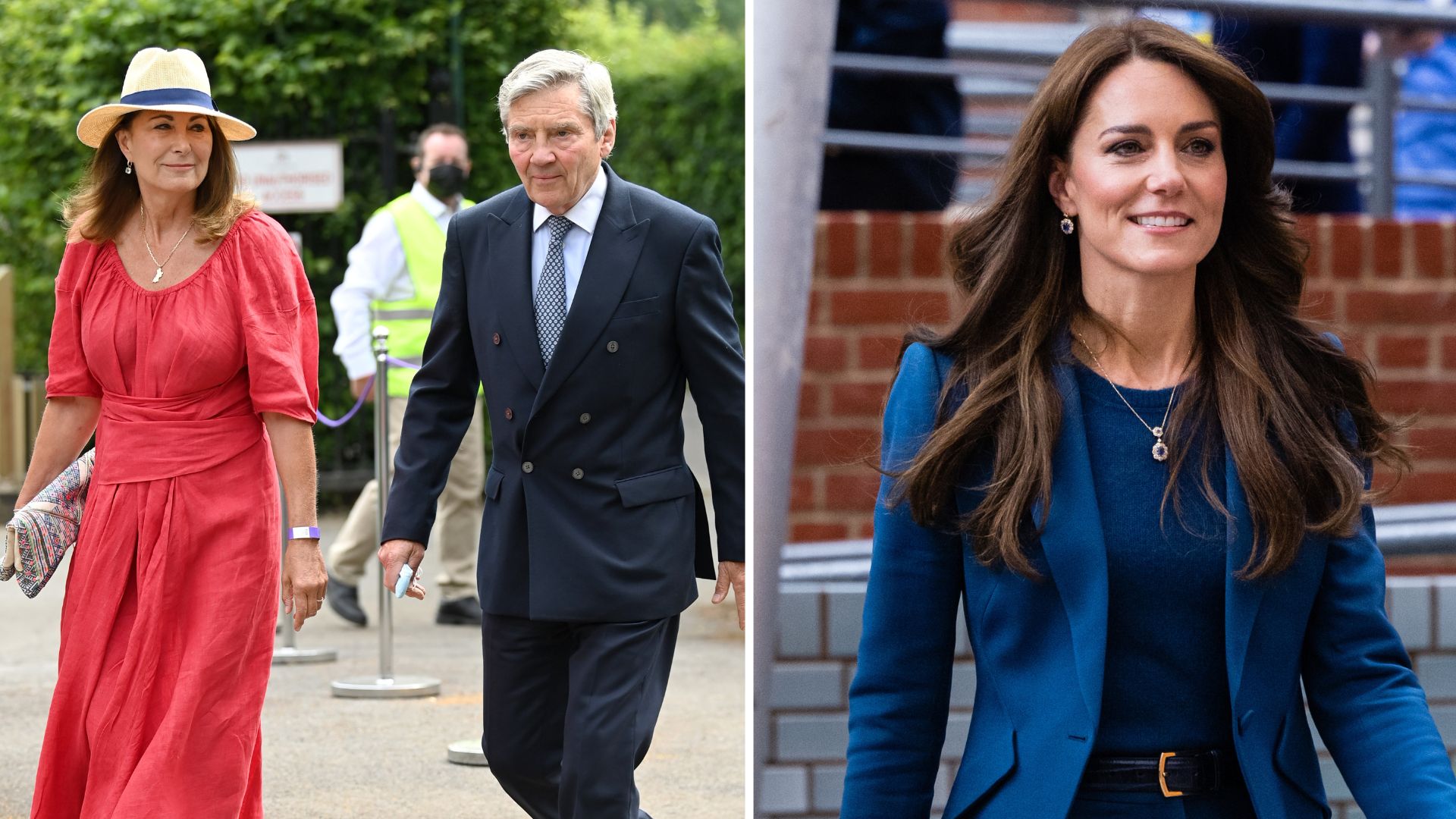
The idea of King Charles showing “favouritism” towards the Middletons isn’t new. Since Catherine’s marriage to Prince William, the Middletons have carved out a unique position within the royal orbit. Unlike many past royal in-laws who maintained a more distant profile, Carole and Michael have been remarkably integrated into the lives of their grandchildren and, by extension, the working life of the future King and Queen.
They are frequently seen at significant family events, provide invaluable support to Catherine and William, and are often credited with providing a stable, grounded upbringing for the young Prince George, Princess Charlotte, and Prince Louis. This close bond is often highlighted as a positive force for the monarchy, portraying a modern, relatable family unit. However, this very closeness may also be a double-edged sword, inadvertently fuelling resentment.
Reports have long suggested that while Queen Camilla outwardly maintains a cordial relationship with the Princess of Wales, there might be underlying tensions. Some royal historians point to the inherent challenges of integrating a “commoner” family so deeply into the upper echelons of royalty, especially when that family garners significant public affection and appears to eclipse other, more established royal figures.
“The Middletons represent a successful blend of tradition and modernity, a family unit that resonates deeply with the British public,” explains Dr. Eleanor Vance, a leading royal historian. “But for someone like Queen Camilla, who has spent decades navigating the rigid protocols of royal life and enduring immense public scrutiny, seeing another family so seamlessly embraced, perhaps even elevated, could understandably be a source of personal complexity, if not outright vexation.”
😠 Unravelling Camilla’s “Anger”: Protocol, Precedence, or Personal Preference?
So, what are the potential “truths” behind Queen Camilla’s perceived displeasure or “anger”? Several theories are circulating within royal circles and among expert commentators:
1. Breach of Protocol/Precedence: Some suggest that Camilla, a staunch traditionalist when it comes to royal etiquette, might view such an honour for non-working, non-royal family members, particularly when accompanied by an unexpected gesture like kneeling, as somewhat outside conventional protocol. The Royal Victorian Order, while within the King’s gift, traditionally acknowledges direct service to the monarch, and some might argue the Middletons’ role, while crucial, falls into a more personal, rather than official, category deserving of such a high-profile honour at this specific juncture.
2. Feeling Overshadowed: It’s no secret that Princess Catherine is immensely popular, often topping polls as the favourite royal. The Middletons, by extension, also enjoy a high degree of public affection. Some speculate that Camilla might feel her own efforts and contributions, particularly after her long and often challenging journey to become Queen, are sometimes overshadowed by the seemingly effortless charm and public embrace of the Wales’s family. The King’s public show of favour could exacerbate this feeling.
3. Family Dynamics and Insecurity: Human emotions, even within the most regal settings, are complex. Camilla has her own children and grandchildren from her previous marriage. While they maintain a respectful distance from official royal duties, a public display of affection and honour for Catherine’s parents might subtly, or even unconsciously, trigger feelings of inequality or a desire for similar public recognition for her own family.
4. Protecting the Institution: A less cynical view suggests Camilla’s concern might stem from a deep-seated desire to protect the monarchy’s integrity. Overly personal gestures, some might argue, could risk blurring the lines between the institution and personal relationships, potentially opening doors to questions of meritocracy versus personal affinity within the honours system.
🎭 The Silent Play of Power and Affection
Ultimately, the exact reasons behind Queen Camilla’s perceived reactions remain shrouded in the impenetrable walls of palace privacy. What is clear, however, is that the Royal Shake-Up, sparked by an unexpected honour and amplified by social media’s relentless gaze, has thrown a spotlight on the evolving dynamics within the modern British Royal Family.
As King Charles continues to shape his reign, balancing the weight of tradition with the demands of a contemporary world, the interplay between personal affection and institutional duty will undoubtedly remain a fascinating, and at times contentious, element of the royal narrative. For now, the public continues to watch, dissecting every glance, every gesture, and every honour, in the enduring drama of the British monarchy.