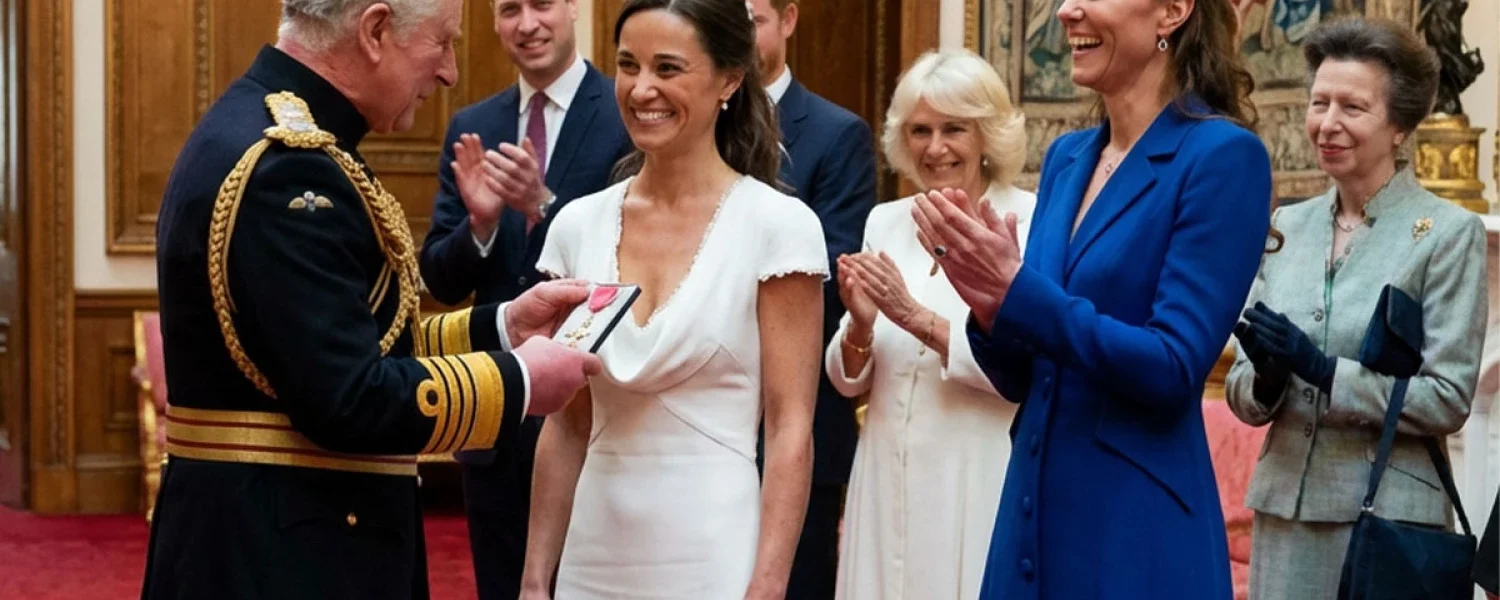

Pippa Middleton, known for her role in the royal family as the sister of Catherine, has been a prominent figure since the royal wedding in 2011. However, her recent elevation to a title that carries significant weight within the royal hierarchy marks a new chapter not just for her but for the monarchy itself. The exact title bestowed upon her has not been disclosed, but it is expected to carry responsibilities that align with the royal family’s focus on charitable work and public service.
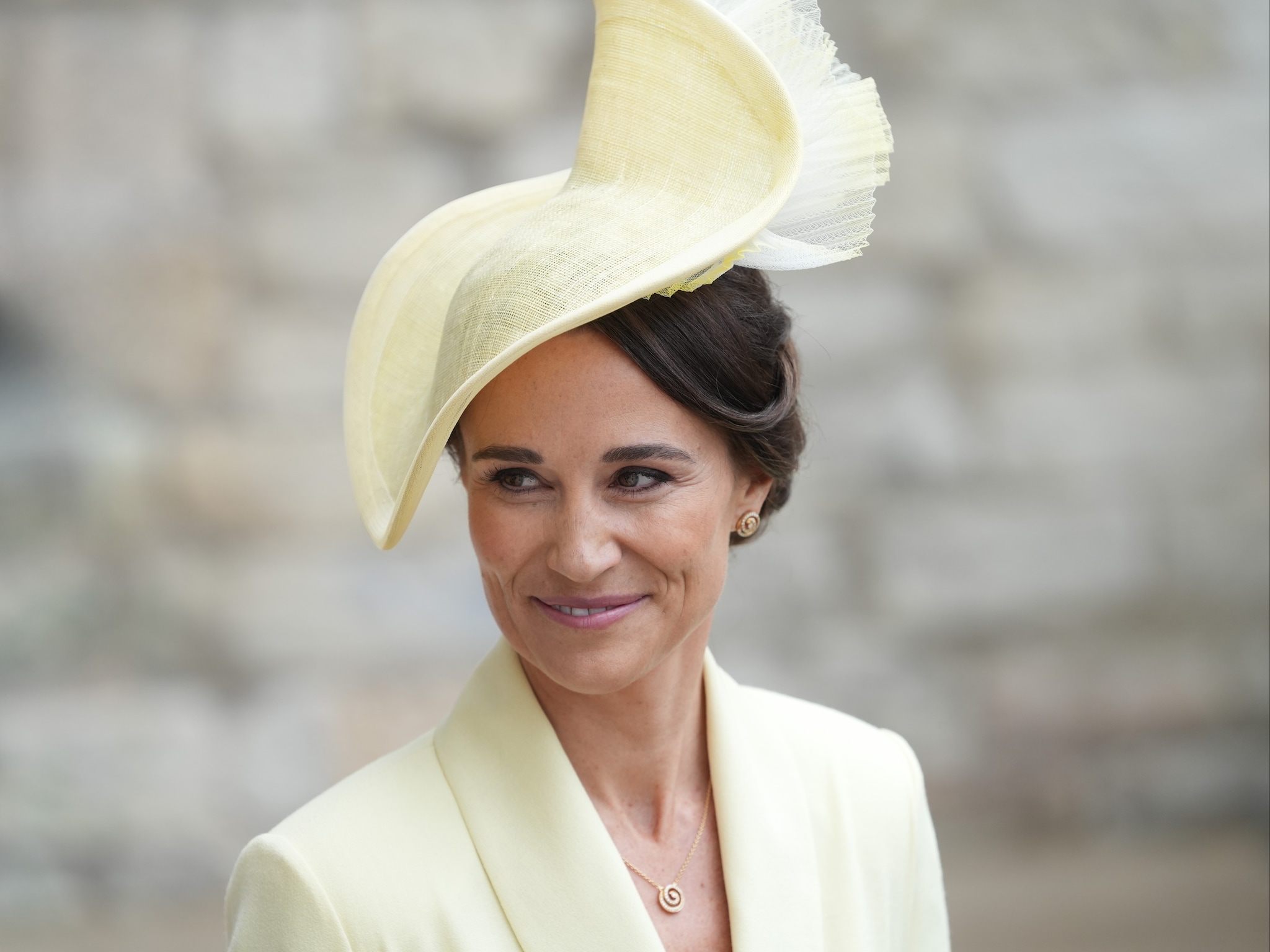
This decision raises questions about the criteria for royal titles and whether the monarchy is evolving to reflect contemporary society. Traditionally, titles have been passed down through bloodlines, so this shift signifies a potential rethinking of what it means to be part of the royal family in the modern era.
King Charles’s decision to grant a title to someone outside the royal lineage is unprecedented. Historically, the British monarchy has been steeped in tradition, with titles often reserved for those born into nobility or those who have married into royal families. This action could indicate a desire to modernize the monarchy and make it more relatable to the public.
Experts suggest that this move may be part of a broader strategy by King Charles to engage younger audiences and promote a more inclusive royal image. By recognizing individuals like Pippa Middleton, who embodies a connection to the common people, the monarchy may be attempting to bridge the gap between tradition and modernity.
As news of Pippa Middleton’s title spread, speculation has intensified regarding King Charles’s motivations. Some royal commentators believe that this could be a calculated move to strengthen the monarchy’s public image. In an age where public perception can significantly impact the royal family’s standing, King Charles may be seeking to enhance the monarchy’s relevance in a rapidly changing world.
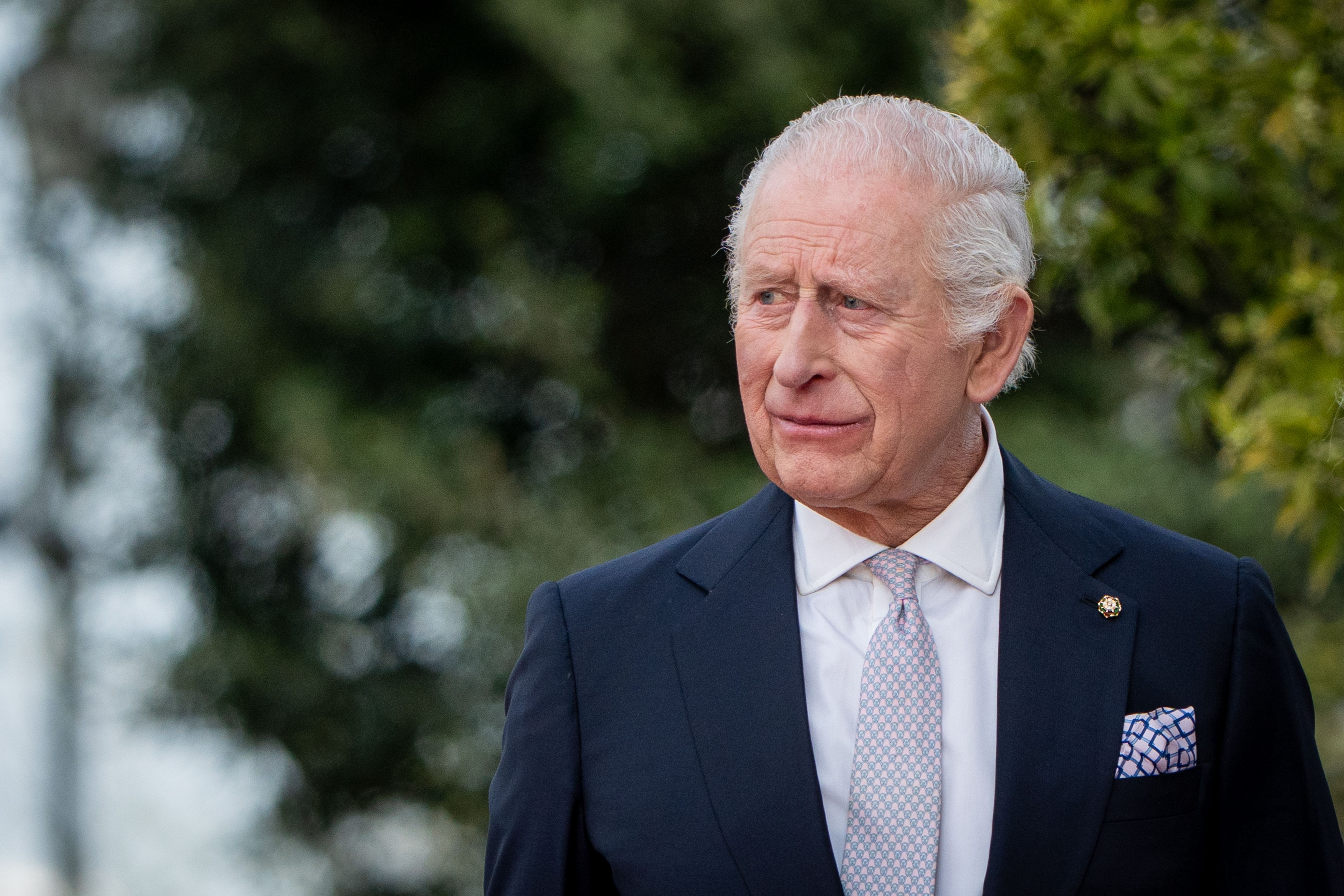
Additionally, there are whispers that this decision may be a strategic response to recent criticisms of the royal family. Engaging with individuals who have a relatable background could be seen as an attempt to counteract negative narratives and demonstrate that the monarchy is attuned to the needs and values of contemporary society.
Pippa Middleton has long been recognized for her charm and poise, particularly during high-profile royal events. Her involvement in charitable endeavors, including her work with organizations focused on children’s health and education, has further endeared her to the public. The new title may empower her to take on more significant roles within these initiatives, aligning with King Charles’s vision of a monarchy that prioritizes social responsibility.
The decision to elevate Pippa’s status could also reflect a recognition of the important role that family members play in supporting the royal family’s work. As the monarchy faces challenges in maintaining its relevance, leveraging the strengths of its extended family may be a strategic approach to fostering goodwill and public support.
King Charles’s decision to bestow a title upon Pippa Middleton marks a significant moment in British royal history, breaking with centuries of tradition and raising questions about the future of the monarchy. As the world watches closely, it remains to be seen how this unprecedented move will impact the royal family’s public perception and its relationship with the British people.

Whether viewed as a strategic maneuver or a heartfelt acknowledgment of Pippa’s contributions, this development underscores the evolving nature of the monarchy in the 21st century. As King Charles navigates the complexities of royal duty and public expectation, one thing is clear: the monarchy is poised for change, and the implications of this new title may resonate for generations to come.