
A Family Gathering at Sandringham
The day began like any other royal family gathering, marked by tradition and warmth. Sandringham, a cherished family retreat, welcomed senior royals and their children for an informal lunch. The atmosphere was calm, filled with the scent of roses and the echoes of history. However, beneath this serene exterior lay an undercurrent of tension, particularly from Camilla, who had been feeling increasingly sidelined by the younger generation.
The Calm Before the Storm
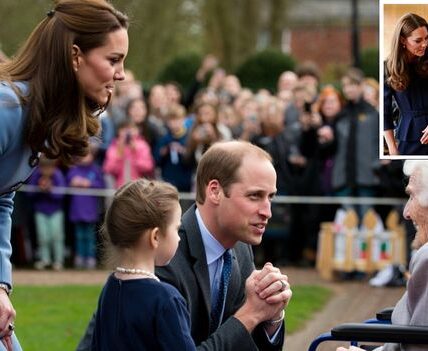
Catherine arrived early with her children, Charlotte and Louie, eager to enjoy the day. Charlotte, at a tender age, was full of curiosity and innocence, traits that would soon be tested. As the family gathered for lunch and a stroll through the winter gallery, little did they know that a simple question from Charlotte would ignite a confrontation that would reverberate through royal history.
Charlotte’s Innocent Inquiry
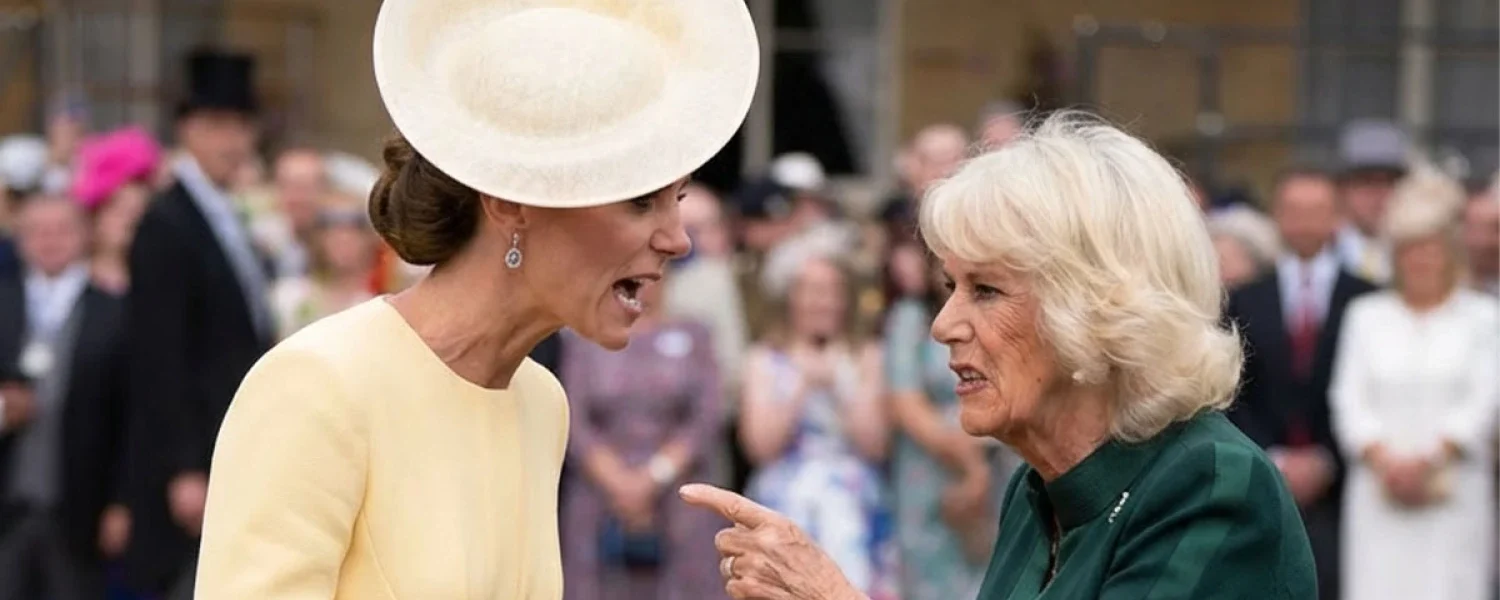
The moment of tension escalated when Charlotte innocently asked Camilla if her great-grandmother, Queen Elizabeth II, had ever sat on a particular chair in the gallery. This innocent curiosity was met with unexpected sharpness from Camilla, who snapped at the young princess, reminding her of her place within the royal hierarchy. The room fell silent, and the atmosphere shifted dramatically.
Just as the tension peaked, Catherine re-entered the room, immediately sensing the distress in her daughter. Instead of escalating the situation with anger, Catherine chose to respond with calm authority. Her words were not just a defense of Charlotte but a profound statement on the importance of respect and dignity, particularly in how adults interact with children.
A Defining Moment for Catherine
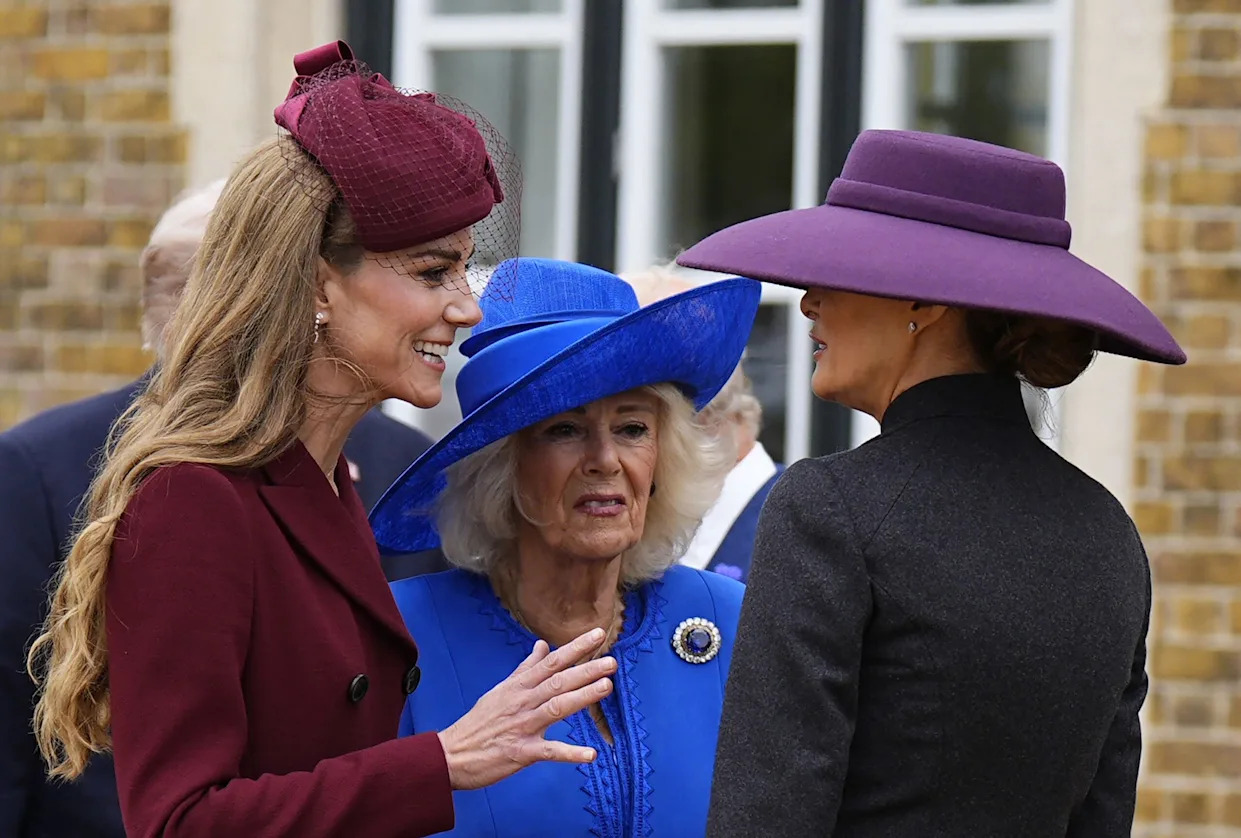
Catherine’s composed response to Camilla’s outburst became a pivotal moment in royal history. She articulated the need for boundaries, emphasizing that they should be established with care and respect, particularly towards children. This quiet strength resonated deeply, not just within the room but throughout the royal household and beyond.

The incident sparked conversations among royal aides and staff about the treatment of young royals and the importance of emotional intelligence within the monarchy. Catherine’s actions prompted a reevaluation of how authority is exercised and how compassion must accompany it. Her approach shifted the expectations of royal interactions, particularly with children.
Catherine’s response to Camilla’s outburst was not merely a defense of her daughter; it was a redefinition of what it means to be royal. She demonstrated that true power lies in compassion and understanding, rather than in rigid adherence to tradition. This incident at Sandringham will be remembered not as a scandal, but as a moment of quiet courage that reshaped the monarchy’s future.
In a world where the royal family is often scrutinized, Catherine’s actions serve as a reminder that kindness and respect are paramount, even within the walls of a palace. As history unfolds, this moment will stand as a testament to the evolving nature of royalty, where love and integrity take precedence over mere titles and expectations.