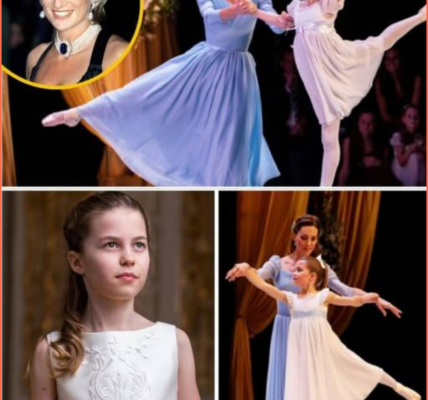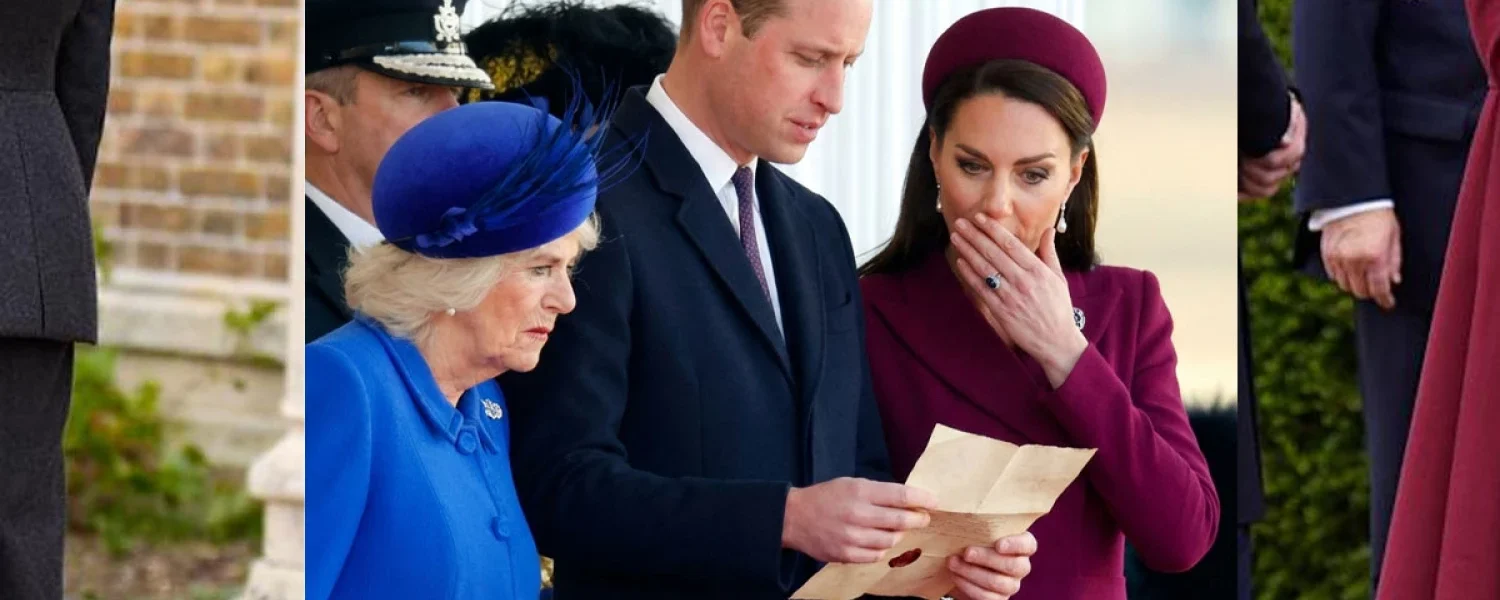

In the letter, Prince Philip made a surprising decision: he designated Catherine, Princess of Wales, as the primary heir to his personal estate. This choice notably excluded Camilla, the Queen Consort, which raises questions about the internal dynamics within the royal family. Philip’s decision appears to stem from his belief that Catherine and her husband, Prince William, embody the values of responsibility, duty, and tradition that he cherished. In contrast, Philip perceived Charles and Camilla as potentially divisive figures, which influenced his decision-making regarding his legacy.
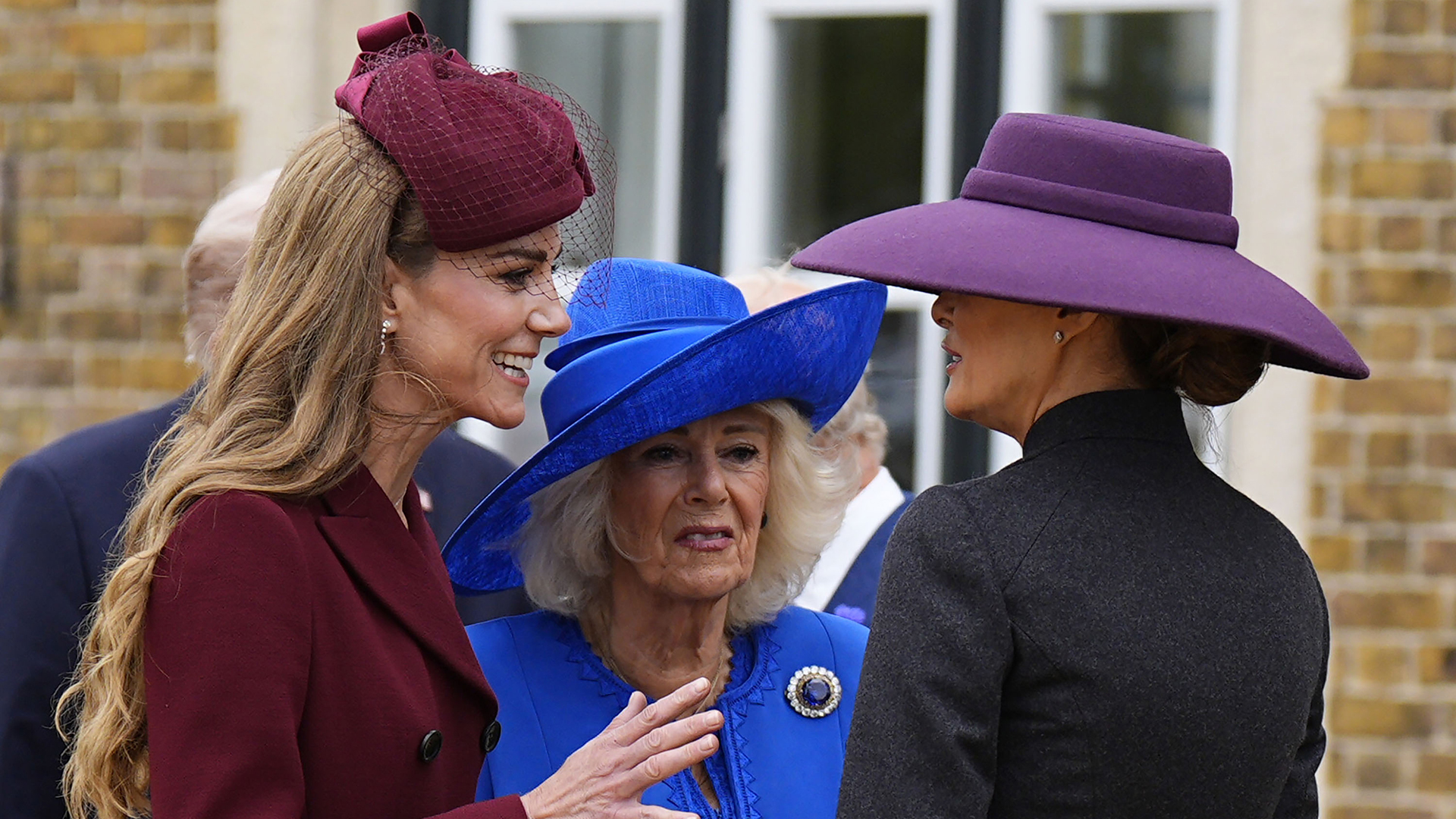
Prince Philip was known for his strong opinions on family matters and the future of the monarchy. His letter reveals a deep-seated concern about the internal dynamics within the palace. By favoring Catherine, Philip seemed to signal a preference for a more modern and relatable royal family, one that could connect with the public while upholding traditional values. This perspective highlights the generational shift within the monarchy, where younger members like William and Catherine are viewed as more in tune with contemporary society compared to their predecessors.
Interestingly, reports indicate that Camilla was aware of the letter’s contents before Philip’s death. This knowledge suggests that she was not only informed but also chose to respect Philip’s wishes regarding his estate. This decision reflects a level of understanding and cooperation within the royal family, even amidst the complex relationships that often characterize royal life. Camilla’s respect for Philip’s decisions could also indicate a desire to maintain harmony within the family and uphold the values that Philip championed.
In the wake of Philip’s passing and the unveiling of his letter, a secret group known as the “Four Close Friends” was established. This group includes Princess Anne, Duchess Sophie, Sir Cly Walderton, and Lord Fellows. Their primary role is to navigate the aftermath of Philip’s wishes and ensure that his legacy is honored. This initiative underscores the importance of loyalty and friendship within the royal family, as they work collectively to uphold the values that Prince Philip held dear.
In response to her designation in Philip’s letter, Catherine has taken proactive steps by establishing the Philip Management Foundation. This independent organization is designed to uphold the values and principles that Prince Philip championed throughout his life. By creating this foundation, Catherine aims to ensure that his legacy continues to inspire future generations, particularly in areas such as public service, community engagement, and charitable work. This initiative not only honors Philip’s memory but also positions Catherine as a forward-thinking member of the royal family, further solidifying her role in the monarchy.
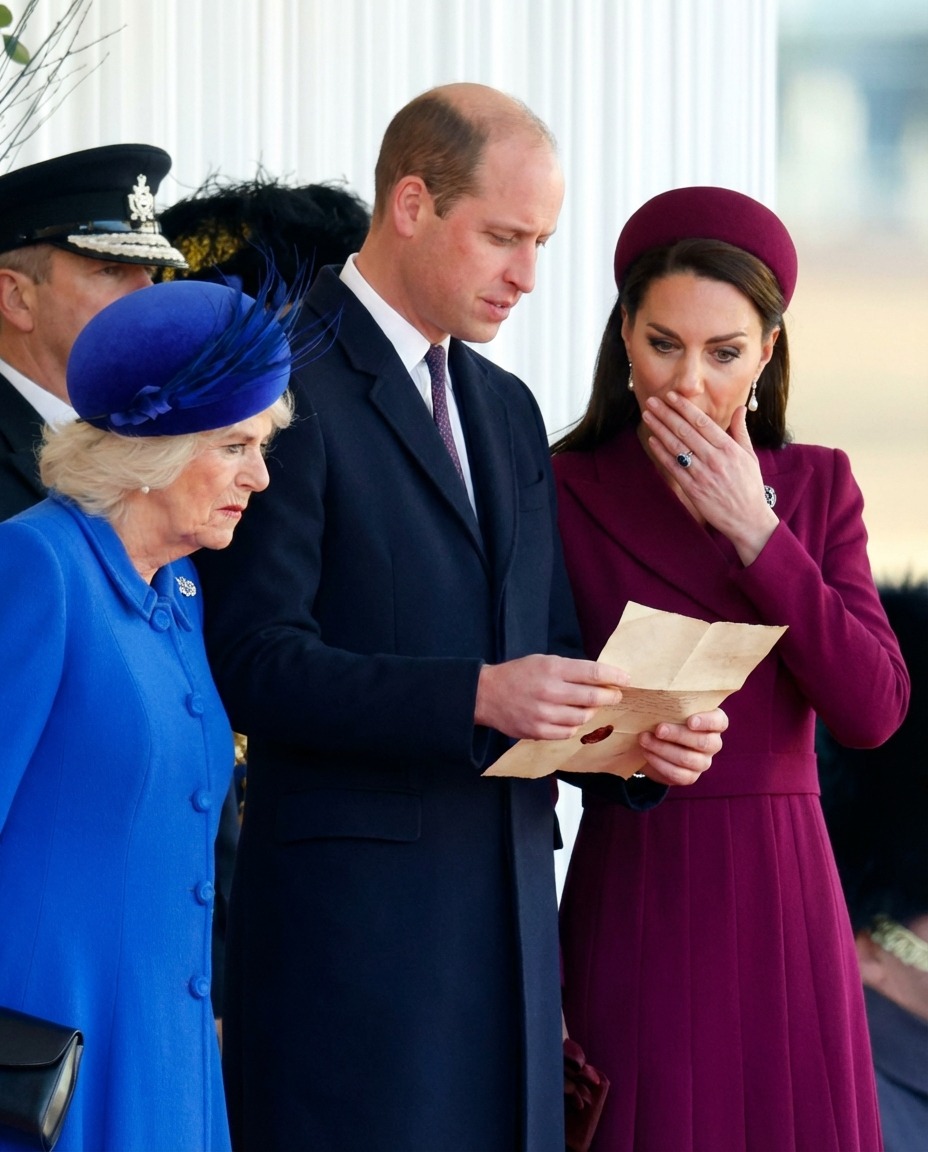
The public’s reaction to the revelation of Philip’s letter has largely been supportive of Catherine. Many view her designation as a sign of confidence in her abilities and her commitment to the monarchy. This favorable public sentiment has transformed what could have been a contentious situation into an opportunity for Catherine to strengthen her position within the royal family. As public support grows, it is likely to bolster her initiatives and further enhance her role as a vital member of the monarchy.
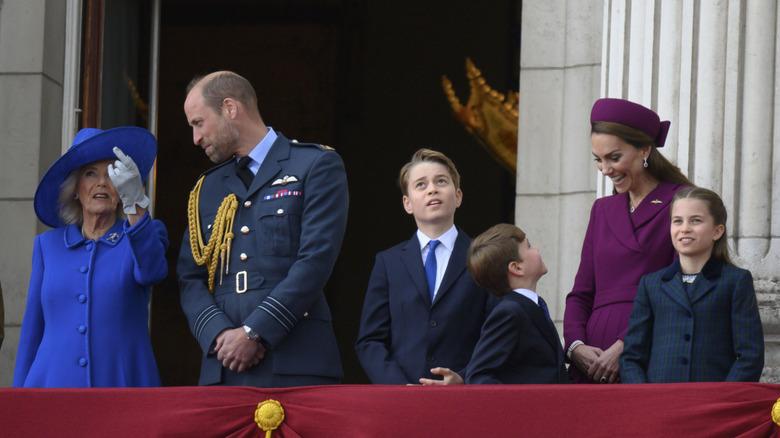
One of the most poignant aspects of Prince Philip’s letter is its implications for the younger generation, particularly Prince George. As the future king, George stands to inherit not only Philip’s legacy but also the teachings and values that come with being a member of the royal family. Philip’s emphasis on duty, responsibility, and tradition will undoubtedly influence George as he grows and prepares for his role in the monarchy. This connection to his great-grandfather’s legacy provides a unique opportunity for George to learn and embody the principles that have guided the royal family for generations.