
A Royal Show
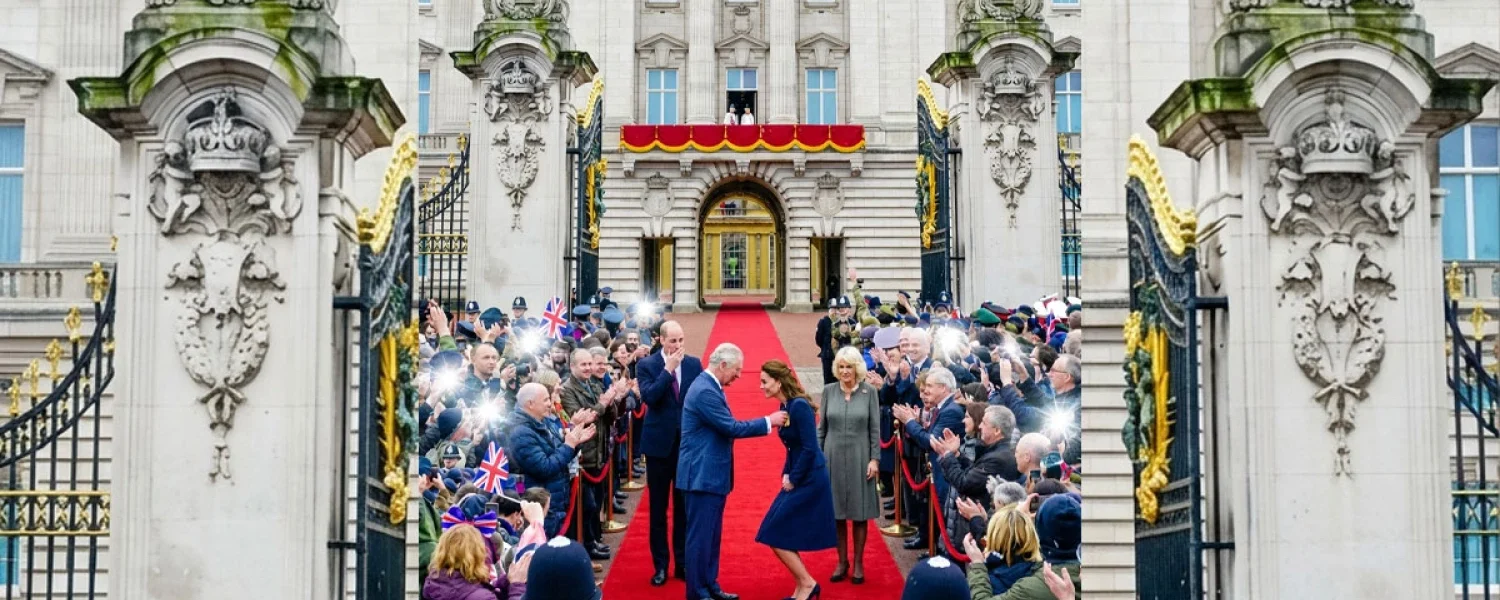
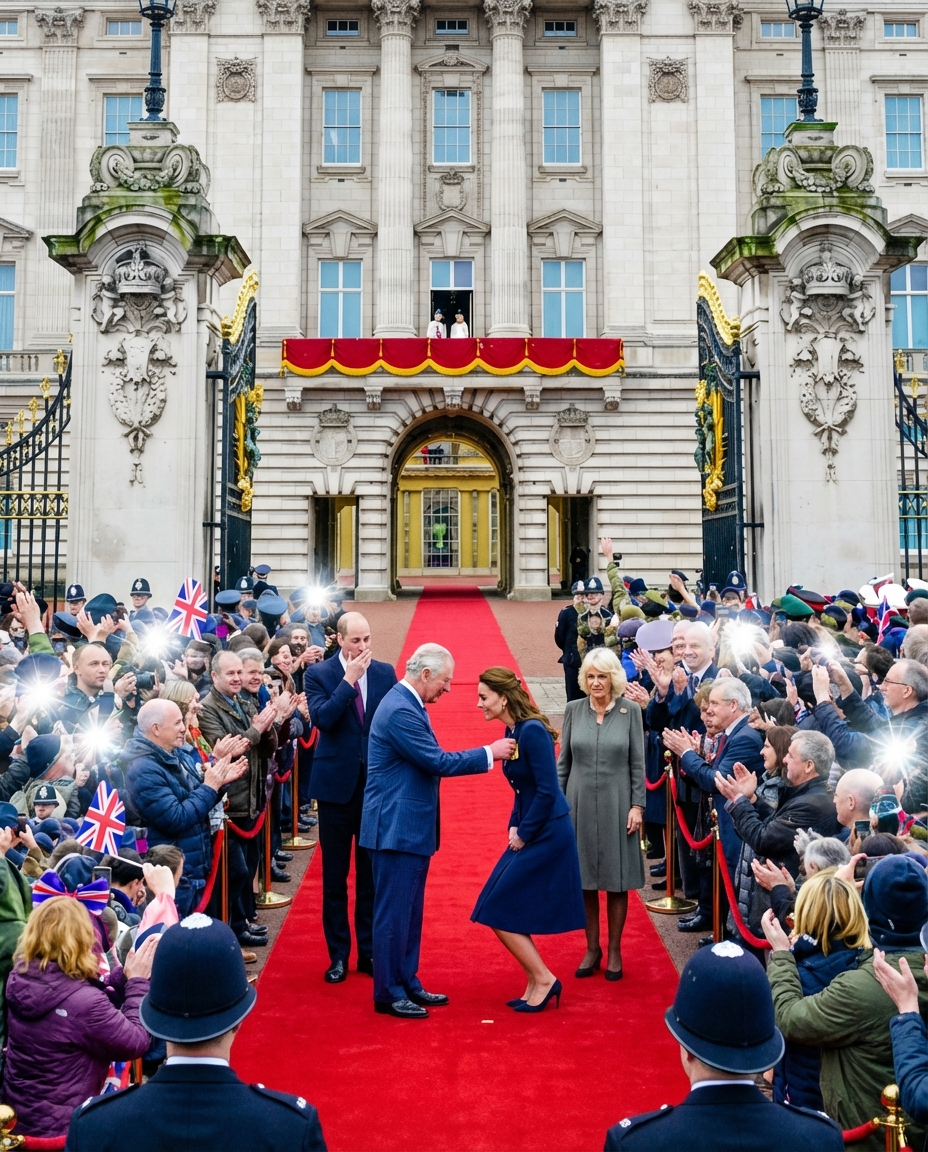
The atmosphere outside the palace was incredibly vibrant. Thousands gathered, their excitement evident as they awaited the arrival of the royal family. A red carpet stretched out, adorned with floral arrangements symbolizing both beauty and longevity. As the sun shone brightly, the palace itself stood as a testament to centuries of history and tradition, providing a fitting setting for this momentous occasion.
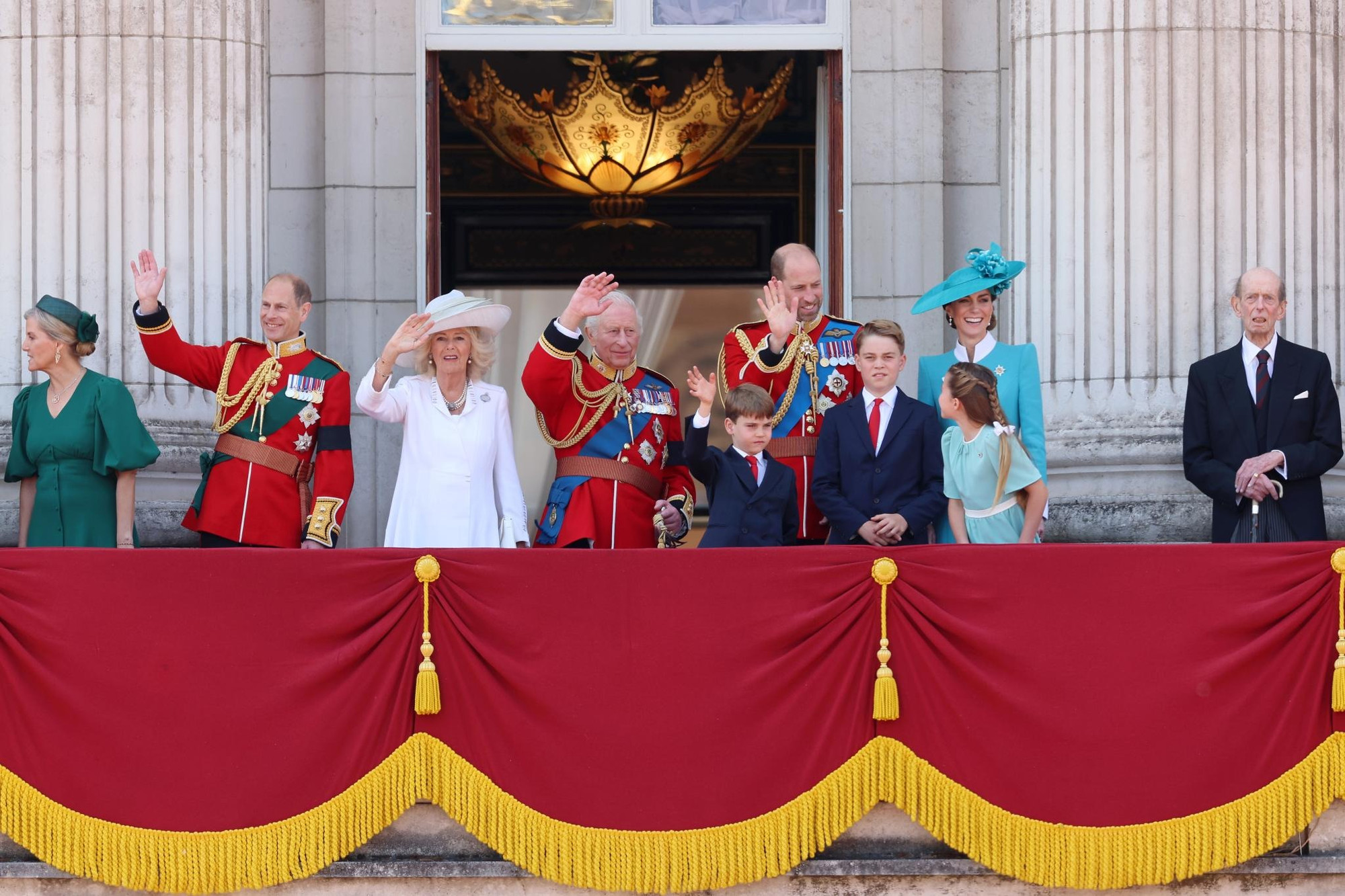
As the royal procession approached, the crowd erupted in cheers, demonstrating the spirit of a united nation in admiration of its monarchy. The presence of media from around the world further enhanced the significance of the event, with cameras flashing continuously and reporters ready to capture every moment.
The Coronation: A Symbol of Heritage
King Charles III, in his capacity, approached Princess Catherine with solemnity but also pride. The act of pinning the prestigious badge onto her attire held profound meaning. This badge, a symbol of honor and duty, not only represented Catherine’s devotion to her royal responsibilities but also the trust the King placed in her.
As the King pinned the badge, the crowd fell silent, recognizing the importance of this moment. This act was more than a ceremonial gesture; It was a public affirmation of Catherine’s role in the royal family and her dedication to serving the nation. Royal observers noted that this moment marked a transition in the monarchy, underscoring the importance of unity and cooperation in a modern context.
Queen Camilla’s Discontent: A Subtle Undercurrent
While the ceremony unfolded with splendor, not everyone was filled with joy. Queen Camilla’s expression during the event was noted by astute observers. Her discontent revealed the complexity of royal family relationships. Some speculated that her reaction might reflect concerns about Princess Catherine’s growing prominence, as the younger generation of royalty began to take center stage.
This underlying tension adds depth to the narrative of the monarchy’s evolution. As King Charles adopted a more modern approach to leadership, the balance between tradition and change continued to shape the public image of the royal family.
A pivotal chapter in royal history
Royal commentators have called this event a transformative moment for the monarchy. It symbolized a shift toward a more inclusive and approachable royal family, one that would influence the public while maintaining the dignity and respect inherent in royal tradition. The ceremony not only honored Princess Catherine but also reinforced the monarchy’s commitment to adapting to contemporary social values.
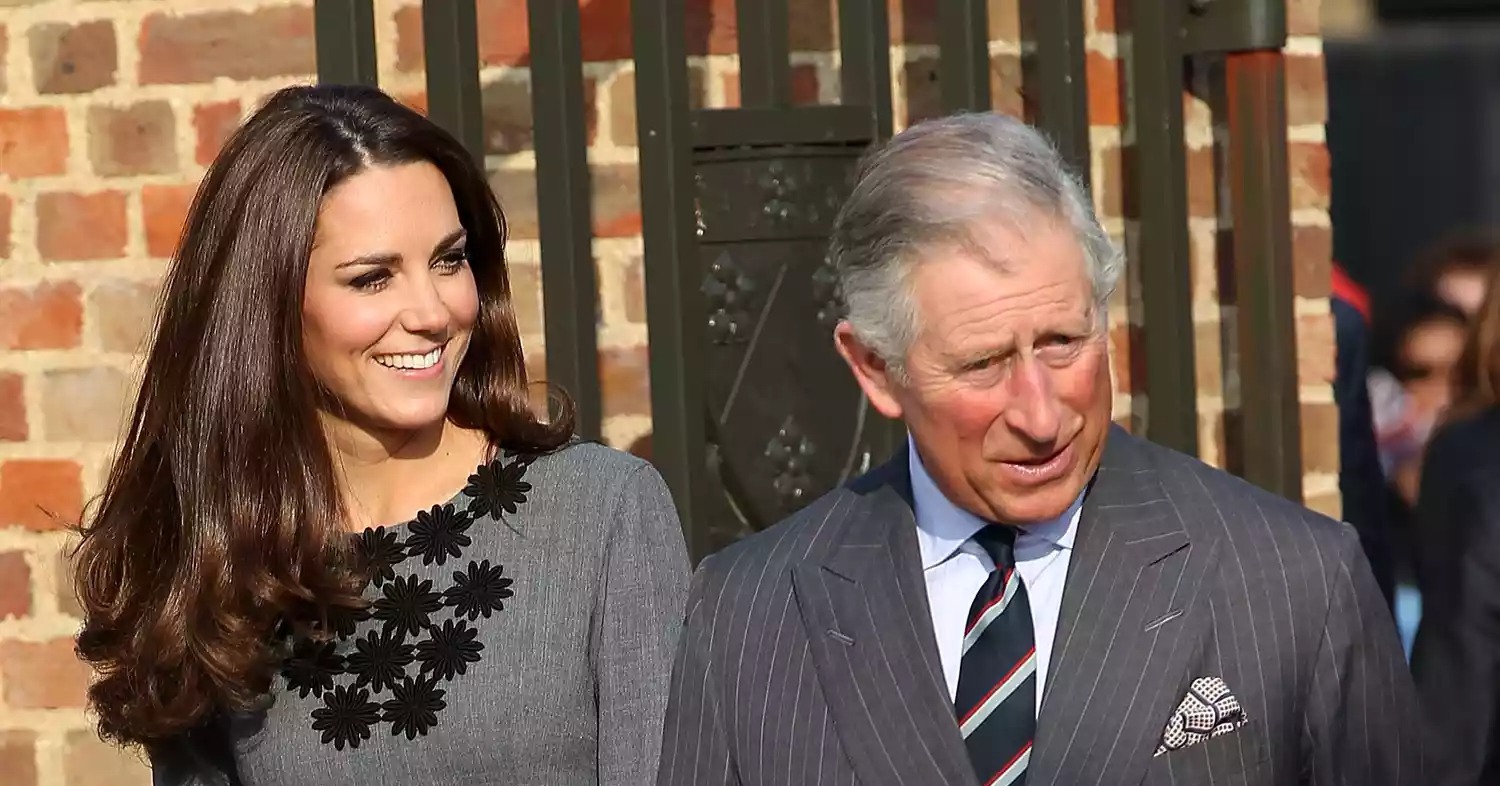
In a world where the relevance of the monarchy is often questioned, King Charles’s action served as a reminder of the importance of heritage, duty, and responsibility that come with royal status. The image of the king honoring his daughter-in-law was a powerful symbol of unity, responsibility, and the future of the crown.
A Memorable Moment
The ceremony on the palace steps will be remembered as a pivotal moment in the history of the British monarchy. King Charles III’s public recognition of Princess Catherine’s contributions and role in the royal family is a testament to the ever-evolving nature of the monarchy. As the world watched, this moment reminded us of the enduring values of duty and service, while embracing the changes brought about by the new generation.
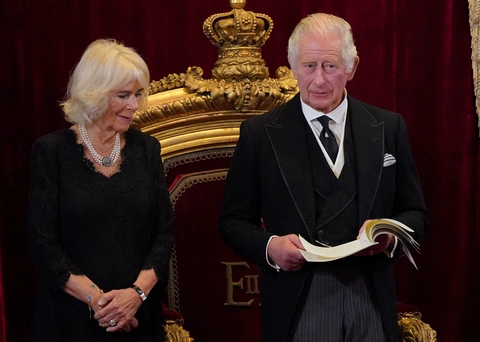
As we reflect on this historical event, it becomes clear that the monarchy is not merely a relic of the past but a living institution, continuing to adapt and evolve. The cheers of the crowd, the solemnity of the ceremony, and the complexity of royal relationships all contribute to a story rich in meaning and significance for the future.