🤯 SHOCKWAVES! Balmoral Door SLAMS Shut on Harry & Meghan – But William Wasn’t the TRUE Mastermind?! 🚪🚫

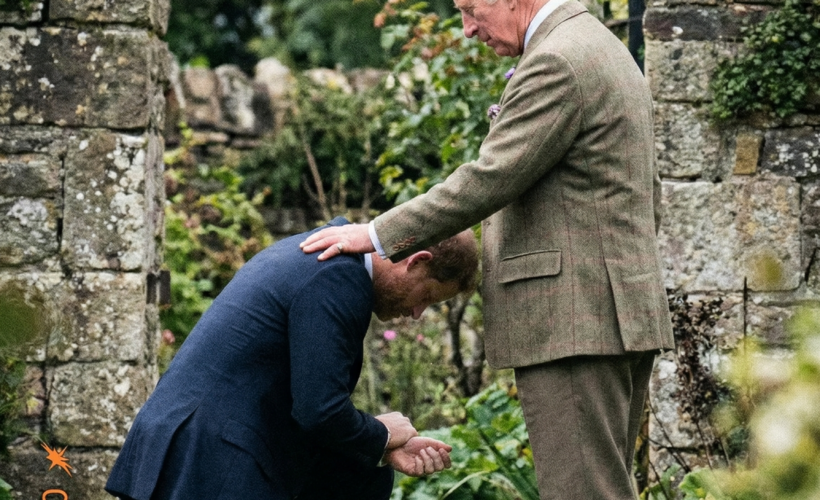
The Palace’s recent confirmation that the “Balmoral arrangement” has been formally rescinded represents far more than a simple change in summer plans. It marks a dramatic escalation in the internal power struggle currently gripping the House of Windsor. What was initially perceived as a quiet, fatherly gesture of reconciliation by King Charles III has transformed into a high-stakes symbol of authority, boundary-setting, and shifting influence at the peak of the British Monarchy. 👑📉
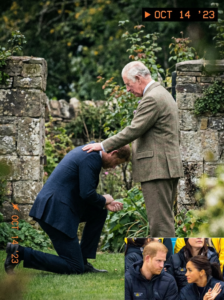
❤️ The Sovereign vs. The Father: Charles’s Emotional Olive Branch
According to high-level royal sources, the King’s initial inclination to invite Prince Harry and Meghan Markle to Balmoral was born from raw emotion rather than cold politics. This was a father responding to the repeated, public appeals of a son—a man nearing the twilight of his reign hoping to mend a family fracture that has cast a shadow over his throne for years.
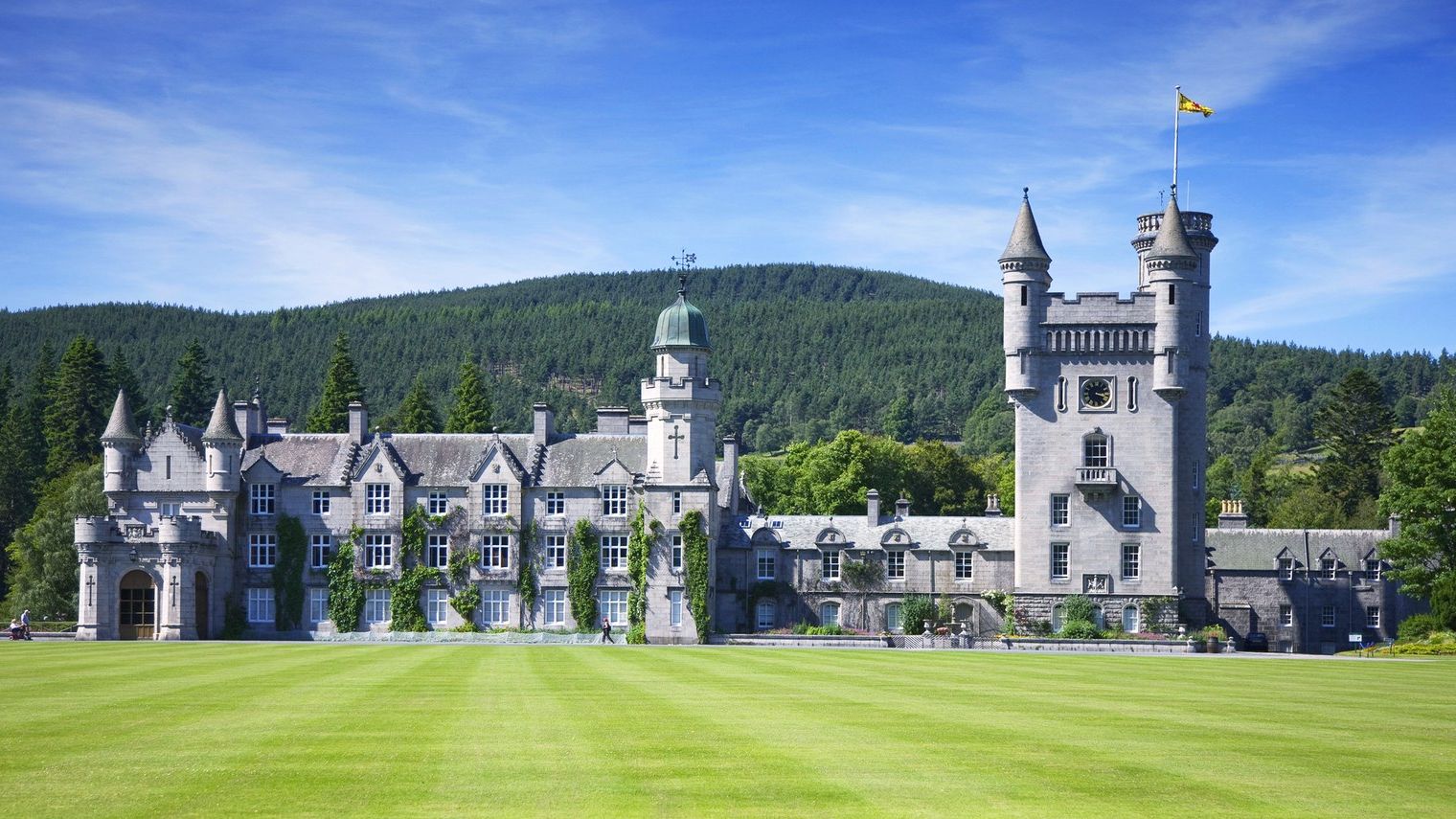
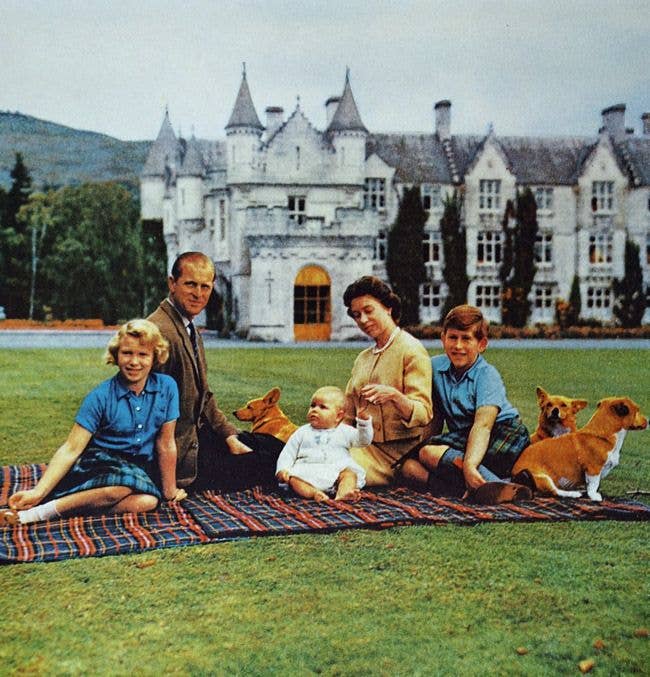
Balmoral Castle is not merely a residence; it is the inner sanctum of royal life. It is a deeply private space saturated with family tradition and the emotional legacy of the late Queen Elizabeth II. By opening these gates to the Sussexes, Charles wasn’t just offering a bed; he was signaling a powerful, albeit informal, reintegration into the family fold. One palace insider noted that this was a “father’s decision, not a monarch’s decision,” emphasizing the personal desire for peace over institutional strategy. 🕊️🌿
⚔️ Prince William’s Institutional Wall
The opposition from Prince William was reportedly instantaneous and unyielding. For the Prince of Wales, Balmoral is not a place for emotional diplomacy; it is the core symbol of royal continuity and legitimacy. From William’s perspective, allowing Harry and Meghan back into this “sacred space” would be interpreted not as a private kindness, but as a public softening of institutional boundaries.
William views the situation through a strategic lens:
* Precedent: Once the boundaries of royal exile are blurred, they cannot easily be restored.
* Legitimacy: Access to royal estates implies a level of official forgiveness that William believes has not yet been earned.
* Authority: As the heir, William is increasingly focused on protecting the “brand” of the monarchy from unpredictable external variables. 🛡️🏛️
🛡️ The Queen’s Shield: Camilla as the “Gatekeeper”
Perhaps the most explosive revelation is that William may not have been the decisive factor in the reversal. Palace insiders increasingly point toward Queen Camilla as the stabilizing—and ultimately deciding—force. Having endured years of personal critiques and direct humiliation in Prince Harry’s memoir, Spare, and subsequent media appearances, she is widely regarded as the figure least inclined toward an olive branch.
Camilla’s influence is described not as aggressive, but as protective and tactical. Her primary focus remains the King’s health and emotional stability. Integrating the Sussexes back into intimate family spaces is viewed by her circle as a significant risk—one that could reopen wounds and reignite the stress Charles has worked so hard to move past. As one source bluntly put it: “She doesn’t see reconciliation—she sees risk.” 🦁🧤
🧱 The Price of Separation: Institutional Discipline
The public reaction to this development highlights a deeply polarized audience. While some sympathize with the King as a father caught between love and duty, a growing majority seems to support the “institutional line.” The prevailing sentiment among royal watchers is that choices have consequences.
The withdrawal of the Balmoral invitation confirms a broader transformation in royal governance:
1. King Charles: Represents the emotional authority—the desire for family unity.
2. Prince William: Represents the institutional authority—the protector of the system’s rules.
3. Queen Camilla: Represents the stabilizing control—the shield against external volatility.
🌅 Conclusion: A Permanent Structural Break
The Balmoral reversal sends a definitive message: any future peace will likely occur outside the core structures of the Monarchy. Prince Harry is no longer viewed as a returning family member, but as an external variable—unpredictable and incompatible with the long-term stability of the Crown.
The Monarchy is no longer attempting to heal the wound; it is learning to fortify the system against it. Access to the walls of the Monarchy is no longer a birthright; it is a privilege contingent upon institutional loyalty. 🌟🏰