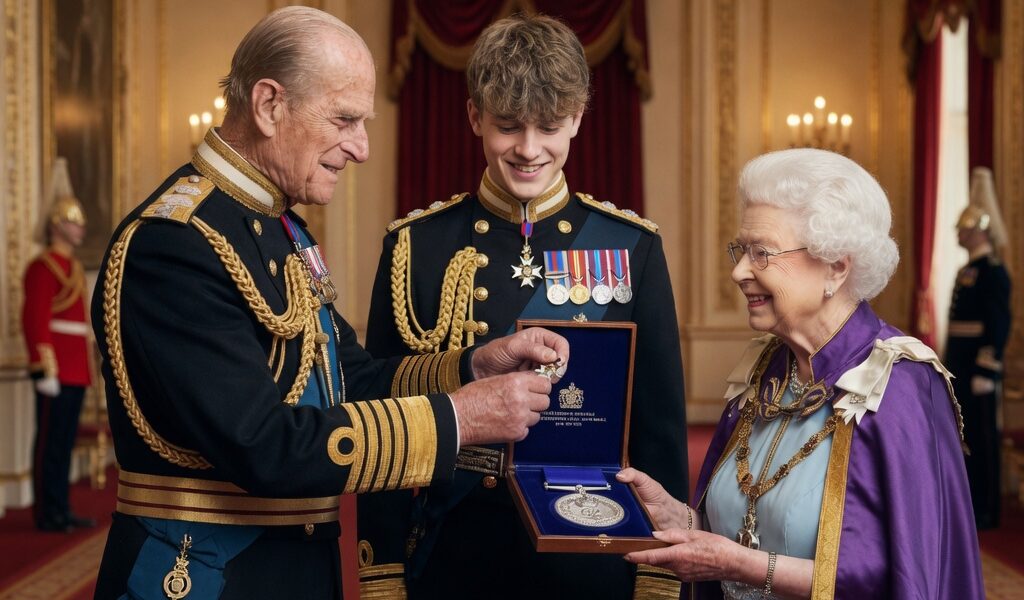

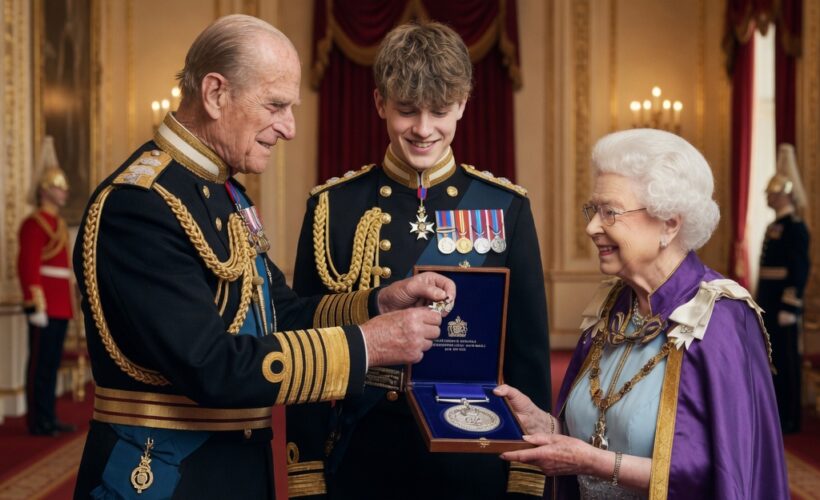
Prince James Steps into His Royal Role After Months of Quiet Reflection – A Measured Chapter for the Younger Windsors
In spring 2026, the British royal family experienced an unexpected moment of internal reflection. James Alexander Philip Theo Mountbatten-Windsor, the only son of Prince Edward and Sophie, Duchess of Edinburgh, and the youngest grandson of the late Queen Elizabeth II and Prince Philip, formally took up the style of His Royal Highness and the title of Prince. Though he had been eligible since turning 18 in December 2025, his decision came after nearly five months of deliberate silence — a pause that sparked widespread curiosity and fresh discussion about tradition, duty, and personal choice within the monarchy.
Born on 17 December 2007, James was intentionally raised away from the intense spotlight that often surrounds royal children. His parents made the conscious choice not to automatically apply princely titles, allowing both James and his sister Lady Louise to enjoy relatively ordinary childhoods. Under the rules set by the 1917 Letters Patent, he was technically entitled to the rank from birth, yet Edward and Sophie prioritised normalcy — regular schools, public transport, and a life largely free from constant media attention. This grounded approach was designed to help him understand everyday realities before stepping into any formal royal responsibilities.
That early emphasis on humility and real-world experience shaped his character. While older members of the family managed relentless public scrutiny, James grew up with a quiet sense of purpose. By the time he reached adulthood, the young Earl of Wessex had come to represent a thoughtful, low-key style that felt refreshing in an age of constant visibility.
The Unexpected Wait
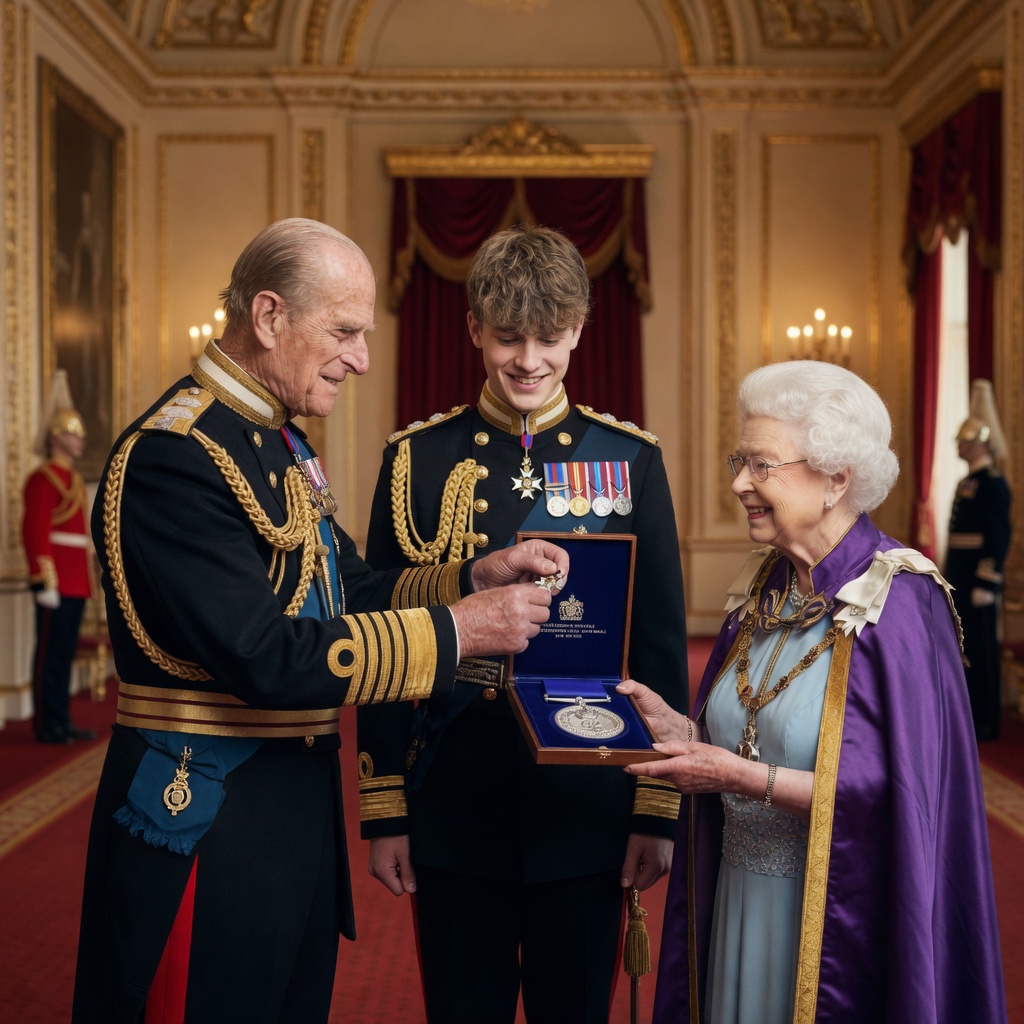
The process began right after his 18th birthday, when royal convention opened the door for him to activate his full princely status. Many anticipated a swift announcement. Instead, James chose to remain silent. For almost 140 days there were no official statements, no ceremonial signals, and no palace briefings. The lack of movement itself became headline news. Sources close to the family described internal conversations that ranged from admiration for his maturity to quiet questions about whether he felt ready for the added expectations.
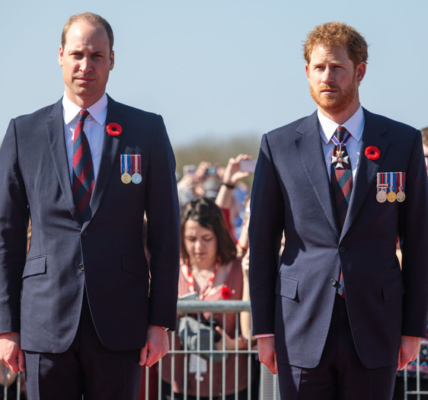
The vacuum invited plenty of speculation. Commentators wondered if he was seeking advice on updating his public image, weighing family discussions, or simply taking time to consider the personal trade-offs of royal life. His unhurried approach stood out sharply against the more high-profile journeys of his cousins, Princes William and Harry. Observers pointed out the striking contrast: the grandson who had been most shielded from fame was now commanding global interest precisely because of his careful deliberation.
A Formal Transition and Its Ripple Effects
When the news finally broke in early May 2026, it arrived with real impact. James officially accepted the HRH style and Prince title, prompting immediate adjustments across royal protocol — upgraded security arrangements, updated official styling, and heightened interest in what his future contributions might look like. As the youngest male line descendant with this option, his choice has renewed debate about the roles of younger branches and the lasting influence of Prince Philip’s values of service, discipline, and quiet strength.
Family reactions have been layered. King Charles III, while managing his own health and the broader transition of generations, is said to view the step as a welcome sign of continuity. Prince William, focused on a more streamlined monarchy, has reportedly seen potential in James’s steady, down-to-earth outlook. For Prince Edward and Sophie — long respected for their professional yet understated approach — their son’s decision brings both pride and a new level of public visibility.
Public Resonance and Future Possibilities
Interest in James has grown significantly. His story resonates because it captures the balance between heritage and individuality. Raised to appreciate ordinary life, he now enters royal duties carrying the full weight of his lineage. Supporters view his timeline as a mark of genuine maturity; others wonder if the delay hints at hesitation in an institution that usually prizes clarity. Either perspective, the development injects fresh perspective into a family sometimes seen as distant.
Looking ahead, the episode also reflects broader royal thinking. With the Prince and Princess of Wales preparing for their eventual reign, figures like James represent chances to show relevance and adaptability. His lived experience outside palace walls could prove valuable in connecting with younger audiences navigating economic realities and social shifts. Early talk already points toward possible patronages in areas such as education, the environment, or youth development.
Prince Philip’s legacy feels especially present. Known for his straightforward manner and lifelong dedication to duty, the late Duke would almost certainly have appreciated a grandson who paused to think deeply before accepting greater responsibility. James carries his names — Alexander Philip Theo — as a direct link to that formidable heritage. In claiming the title, he is not simply adding status but stepping forward to honour it.
As summer 2026 progresses, attention will turn to how Prince James appears in his new role. Events such as Trooping the Colour may provide the first clear public view of the updated styling. Behind the scenes, the priority remains smooth integration — ensuring his presence complements the monarchy’s evolving direction without adding unnecessary complexity.
The chapter is only beginning. James’s future public work, charitable focus, and personal path will reveal whether this moment becomes a quiet footnote or a significant turning point. In a time of fast-paced change, his thoughtful entry stands as a reminder that meaningful evolution can come from patience and purpose rather than constant reinvention. The House of Windsor has weathered many shifts; this one, born from family tradition and individual reflection, may quietly reinforce its foundations.
What started as a private family decision has captured public imagination. Once the most protected of the younger royals, James Alexander now stands ready to define his place on his own measured terms. In accepting the title after careful consideration, he pays tribute to the past while gently helping shape what lies ahead — proof that the most enduring moves are sometimes those taken in thoughtful silence. The monarchy continues, and with Prince James now part of the conversation, it gains another steady, considered voice for the years to come.